
Food & Wine Travel Guides:
Where to Eat, Drink & Explore
Curated Travel Guides by Kelsey Parry
EXPERTISE
START PLANNING
NEWSLETTER SIGN-UP
CATEGORIES
Alaska
Bakeries
Barcelona
Bars
canada
caribbean
charleston
cocktails
cruise
disney
europe
florence
france
gelato
ireland
italy
japan
london
michelin
new orleans
new York city
paris
pastry
portugal
puerto Rico
restaurants
rome
san antonio
seattle
spain
tennessee
texas
united kingdom
vancouver
victoria
whiskey
wine
Greece
Iceland
April 17, 2026
Kanazawa’s Best Restaurants & Experiences: A Pastry Chef’s Guide
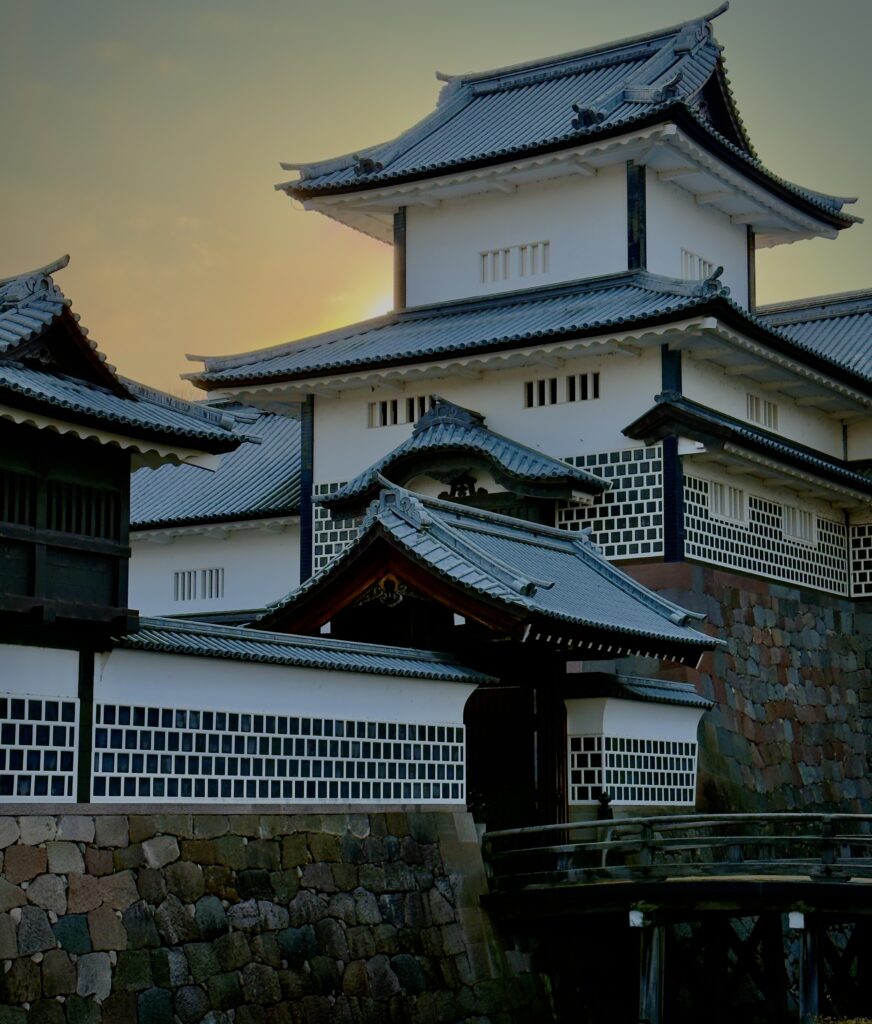
Kanazawa is one of those cities that still feels like it belongs to itself. It was never bombed during World War II, never bulldozed for development, never fully overrun by tourism — which means what survived here survived intact. The geisha districts still have working ochaya (traditional geisha teahouses). The craftspeople working gold leaf and lacquerware today learned from people who learned from people stretching back centuries. And then there’s the food — Kanazawa sits on the Sea of Japan coast with some of the finest seafood in the country, a tea culture that runs deep, and a market where the vendors know their fishermen by name. Here’s how to experience the best of the craftsmanship and culinary landscape this city has spent centuries perfecting.
Tea & Wagashi
Salon de Thé Kaikaro
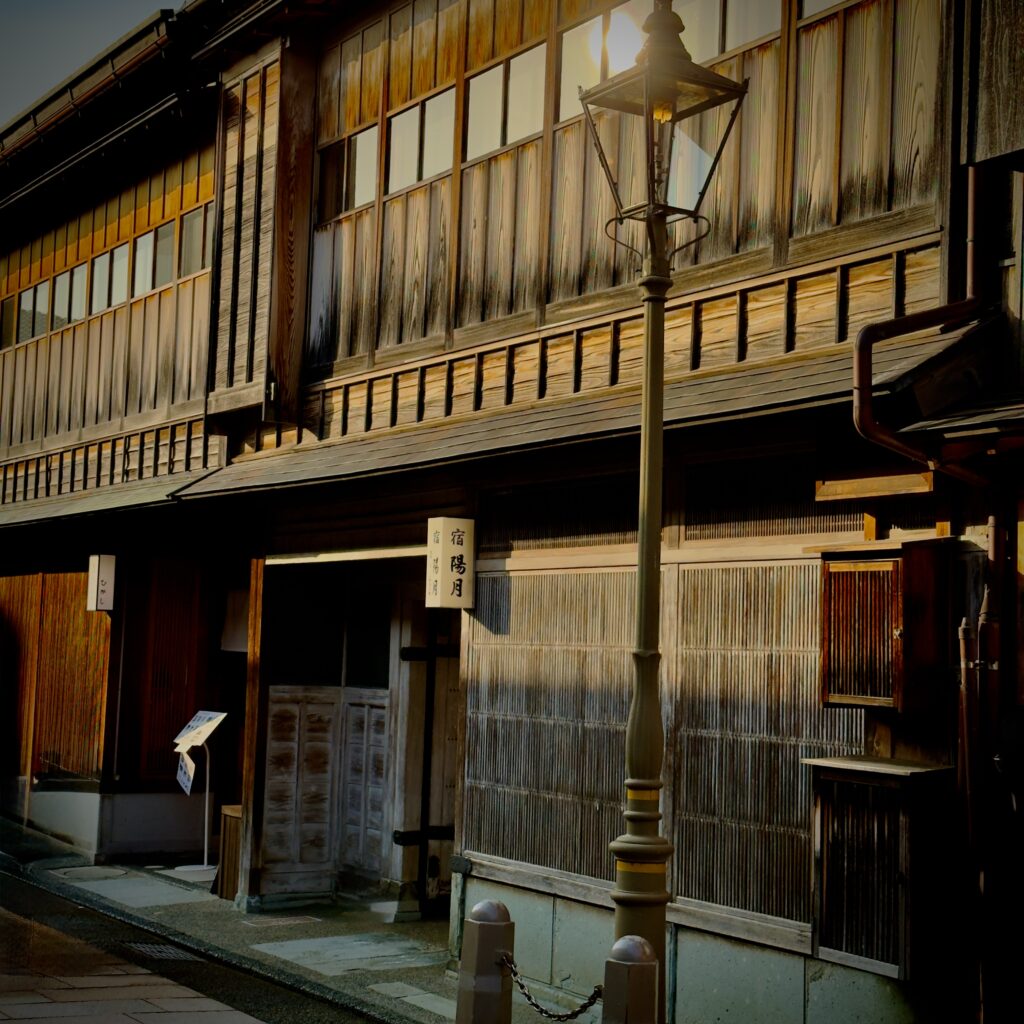
A former ochaya in Higashi Chaya — Kanazawa’s oldest geisha district — converted into one of the most beautiful afternoon tea experiences in Japan, with gold-leaf ceilings and lacquered interiors to match
Known For: Seasonal wagashi and matcha in a preserved geisha house interior with a moss courtyard garden.
Closed: Tuesday & Wednesday
Pro Tip: Reserve ahead — seating is limited and fills up fast, especially on weekends. If you do only one tea experience in Kanazawa, make it this one.
Kanbayashi Kanazawa Chaho
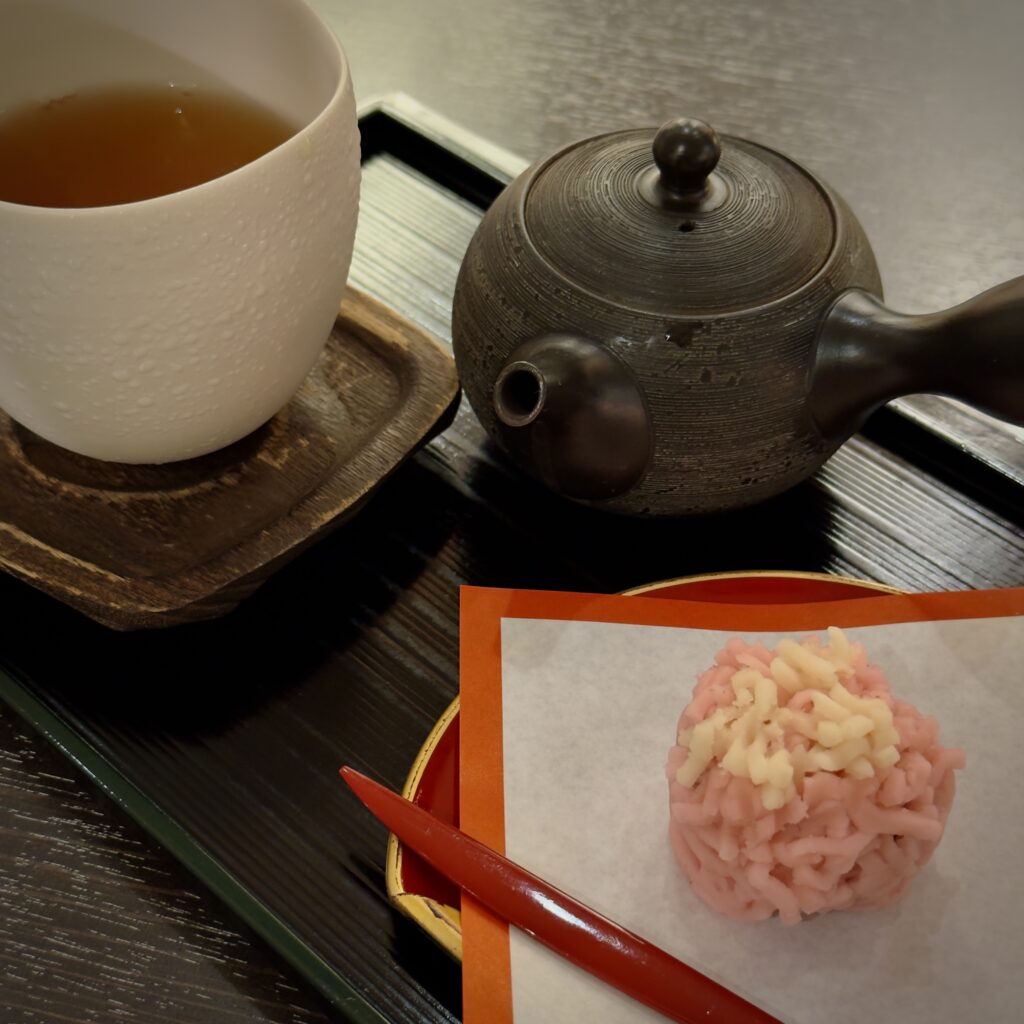
The Kanazawa outpost of one of Japan’s most respected Uji-based tea houses, with an exceptional range of loose-leaf teas, seasonal wagashi, and some of the finest tea accoutrements you’ll find anywhere
Known For: Premium harvest teas, wagashi, and is mostly frequented by locals.
Open Daily
Pro Tip: A great stop to purchase truly artisan gifts of different varieties.
Izakaya
Fuwari
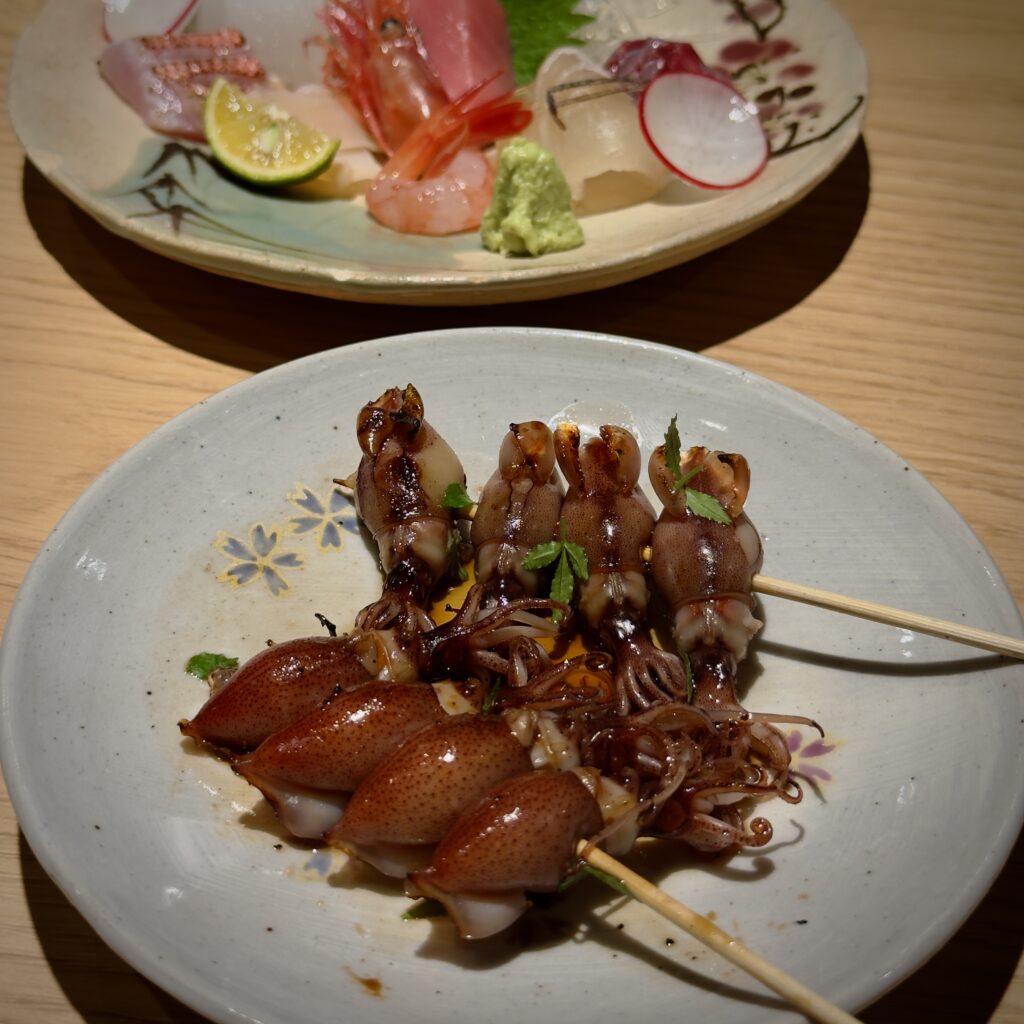
A laid-back izakaya near Omicho Market with a menu built around the fresh seafood and local ingredients the neighborhood is known for
Known For: Seasonal small plates and local Ishikawa sake in a relaxed, unpretentious setting. The kind of place locals actually eat.
Closed: Monday
Pro Tip: Reservations are required.
Daishogun Kanazawaten
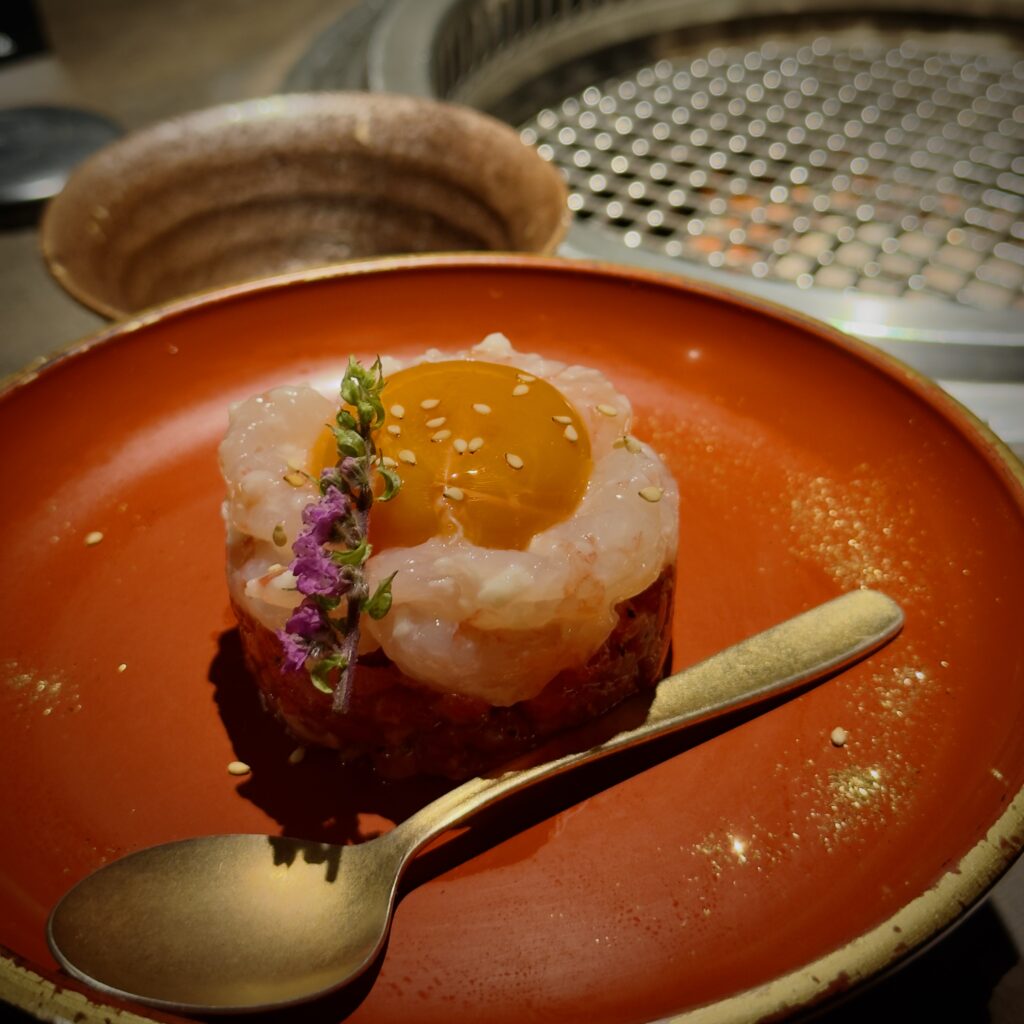
An izakaya where the meat is cooked tableside right in front of you — a fun, interactive dinner experience in one of Kanazawa’s quieter historic neighborhoods
Known For: Fresh local ingredients cooked to order at the table, paired with a solid selection of Ishikawa sake and Japanese spirits.
Open Daily
Pro Tip: Ask for guidance on the local sake pairings — Ishikawa sake tends toward clean, restrained, and deeply mineral, and it’s a natural match for the food.
Omicho Market
Champion’s Curry Omicho
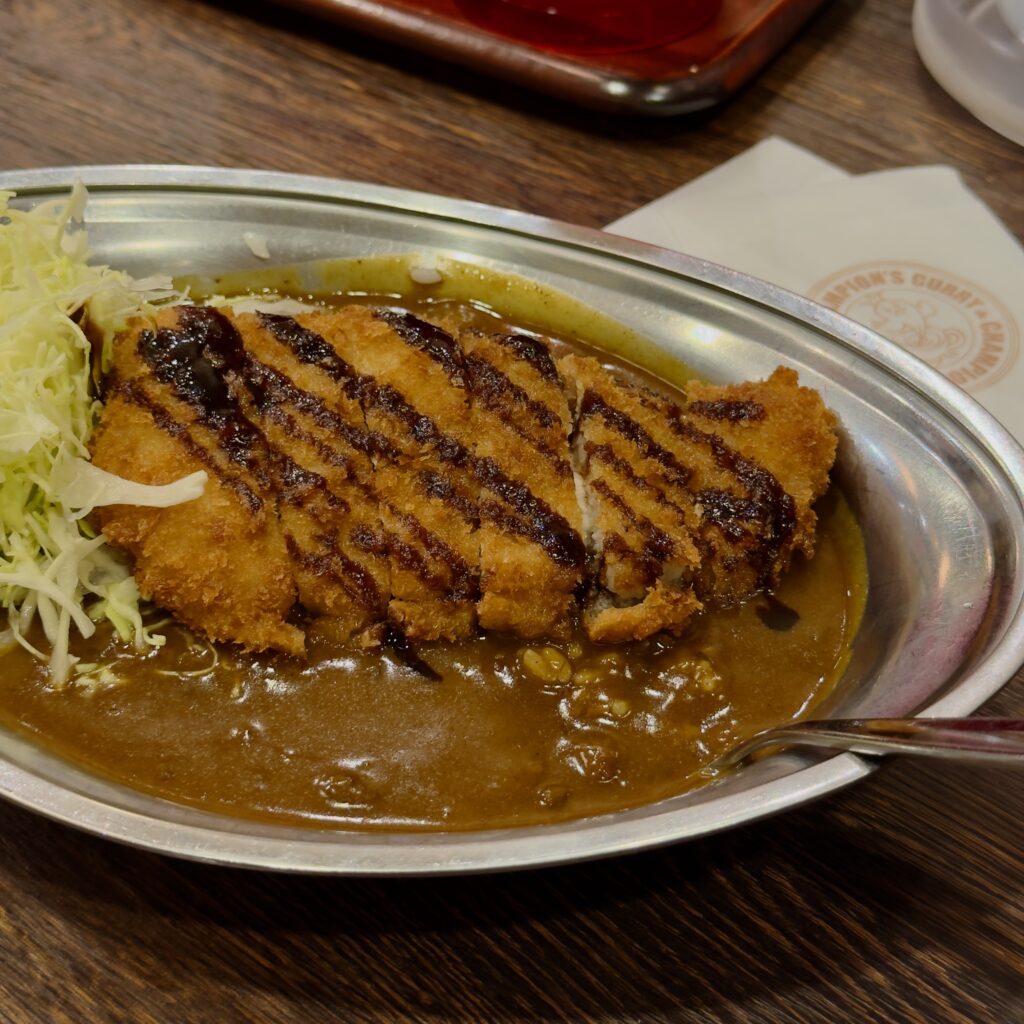
Kanazawa’s most iconic dish is its curry, and this is where it started — a no-frills counter that has been serving the city’s cult-status Kanazawa-style curry since 1961
Known For: The tonkatsu curry — dark, sweet-savory roux over rice topped with a panko cutlet, shredded cabbage, and pickles. It arrives fast and disappears faster.
Open Daily
Pro Tip: Purchase your meal ticket at the vending machine before giving it to the cook at the counter.
Omicho Croquette
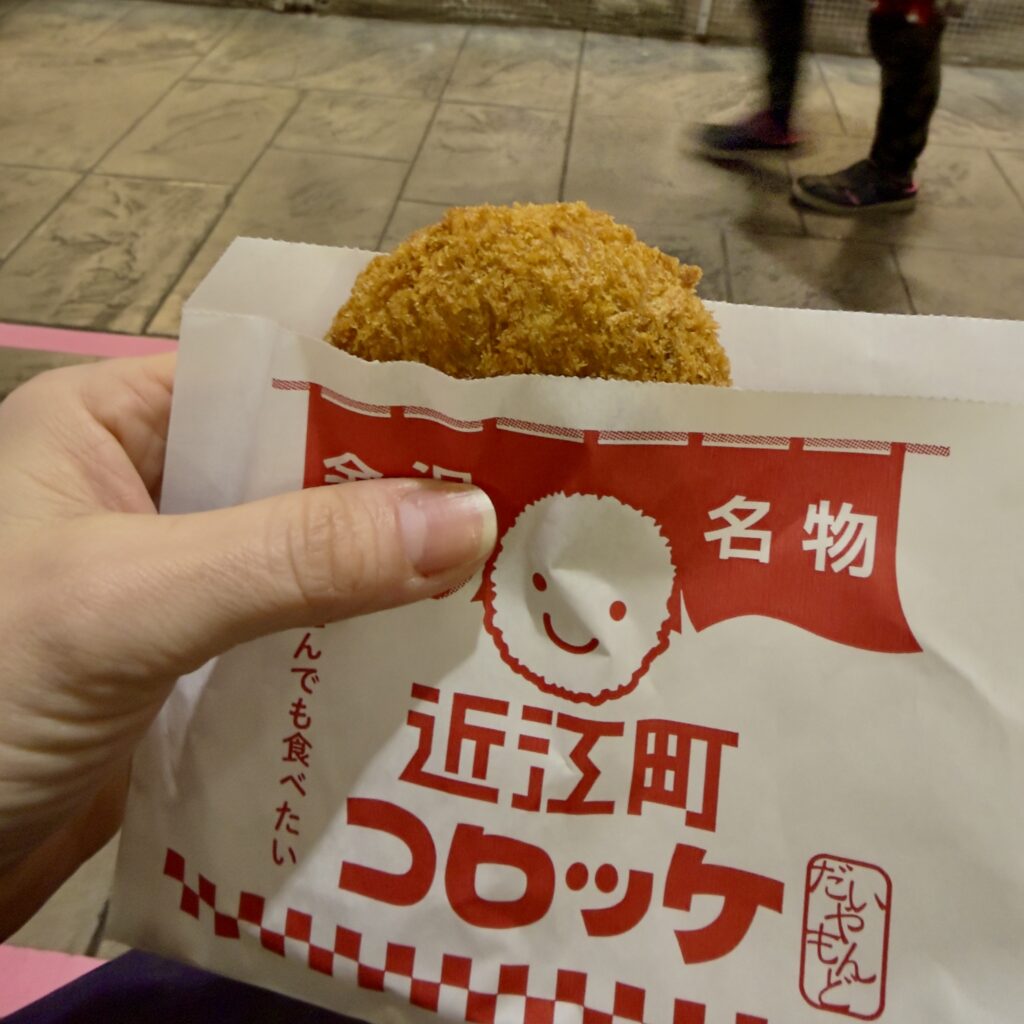
Omicho Ichiba is Kanazawa’s central fresh market — a covered maze of seafood, produce, and prepared foods that has supplied the city’s kitchens for over 280 years. The crab croquettes are the single best market snack in the city.
Known For: Golden-fried crab croquettes made fresh daily, eaten standing at the stall. Crispy, rich, gone in two bites.
Open Daily
Pro Tip: Arrive mid-morning when the croquettes are freshest. The seafood displays alone are worth the walk.
Breakfast
Kaikodo Coffee Kanazawa

A traditional kissaten near Oyama Shrine with a deeply nostalgic, retro interior filled with antique objects — coffee here is ground using a rare antique manual mill, one of very few still in use anywhere in Japan
Known For: Carefully crafted drip coffee with an old-school kissaten atmosphere that feels completely unchanged from decades past. The kind of place that still belongs to its regulars.
Closed: Saturday
Pro Tip: The menu is black coffee and black coffee only — no milk, no cream, no options. If you’re lucky you might snag a piece of toast, but everything else listed exists purely because the owner felt coffee shouldn’t have to sit on a menu alone. Come ready to drink it as it is.
Isotope
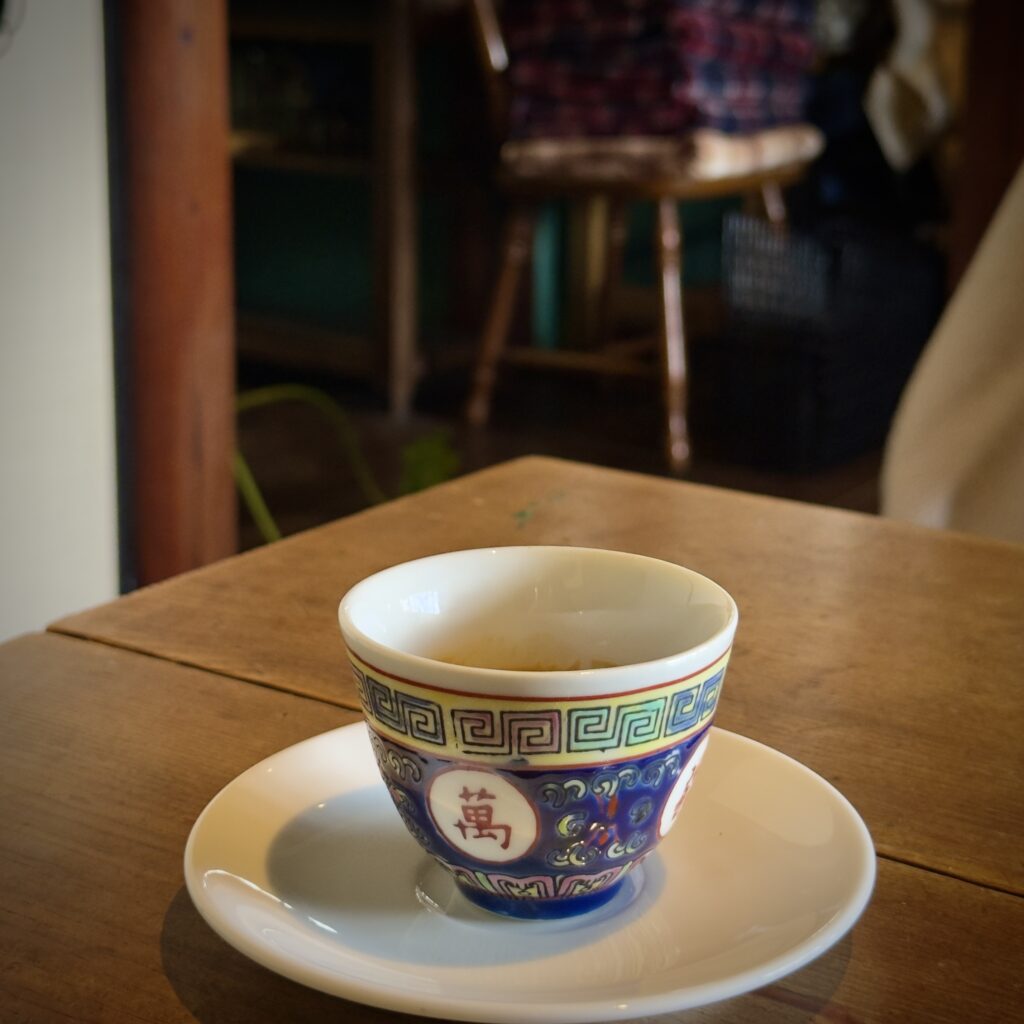
A calm, well-designed café and Kanazawa’s go-to for a considered morning meal, with a focused menu and excellent coffee
Known For: Single-origin coffee and a breakfast menu that bridges Japanese and European sensibilities — toast with local honey, seasonal egg dishes, house-made preserves
Closed: Thursday
Pro Tip: Dine-in only, no takeaway.
Historic Sites & Gardens
Kenroku-en
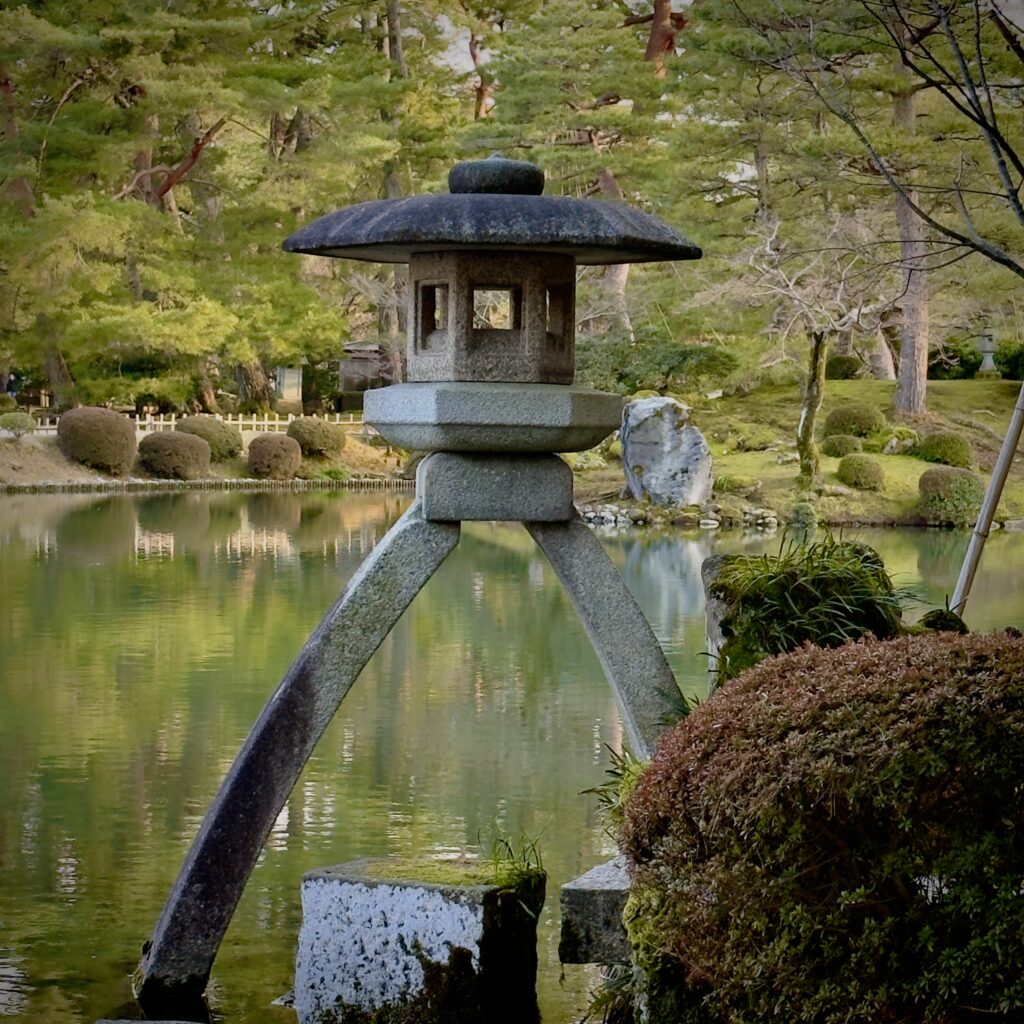
One of Japan’s three great gardens — a 25-acre landscape of streams, ponds, and ancient pines that shifts dramatically with every season, from spring cherry blossoms to winter yukitsuri
Known For: The kotoji toro stone lantern, one of the most photographed in Japan, and an Edo-era aqueduct system that still feeds the garden’s waterways today
Open Daily
Pro Tip: Go before 8am when admission is free and the garden is virtually empty — you’ll have the ponds and lanterns entirely to yourself.
Uchihashi-tei
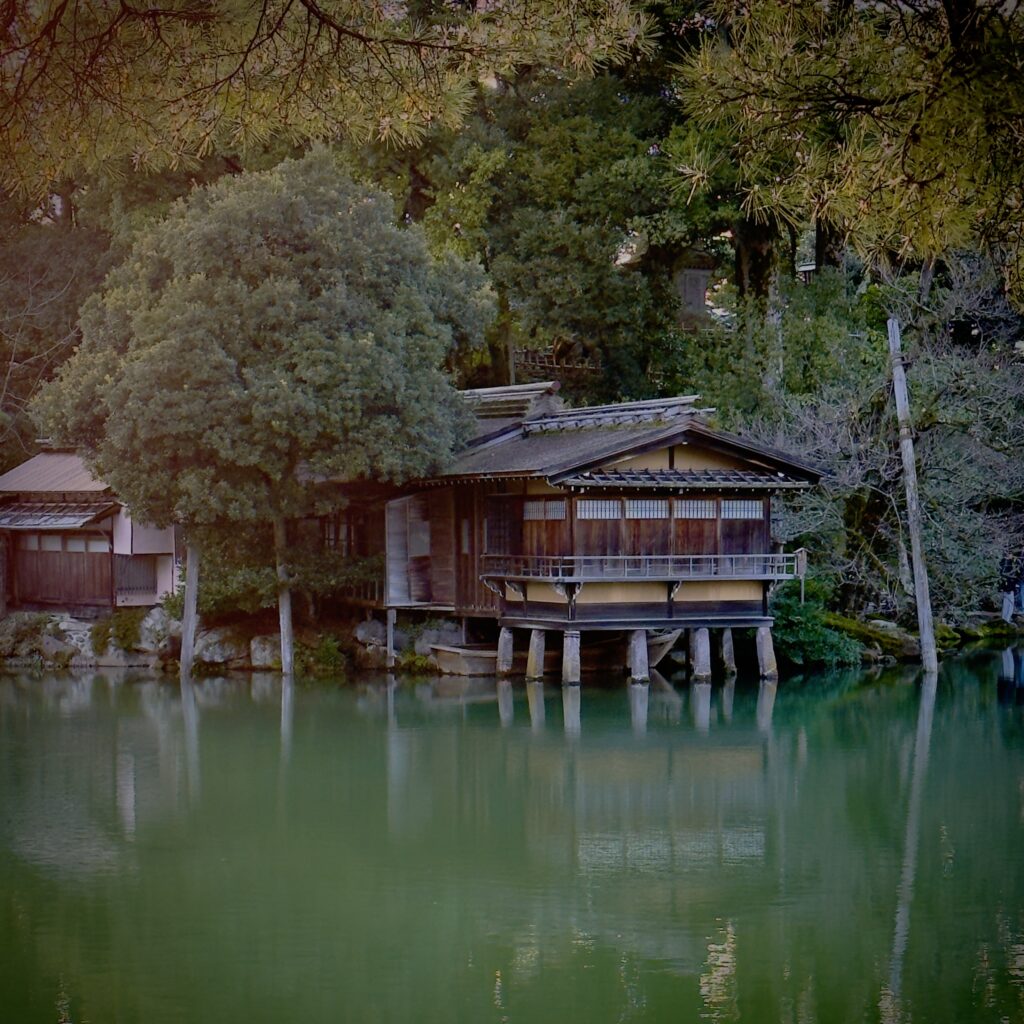
The oldest surviving teahouse inside Kenroku-en, perched above Kasumiga-ike pond with a direct sight line to the kotoji lantern, dating to 1774
Known For: Matcha and seasonal wagashi served in an original Edo-period interior overlooking the water — one of the most quietly lovely tea settings in Japan
Closed: Wednesday
Pro Tip: Cash only — come prepared, as there are no ATMs inside the garden.
Nomura-ke Samurai Residence
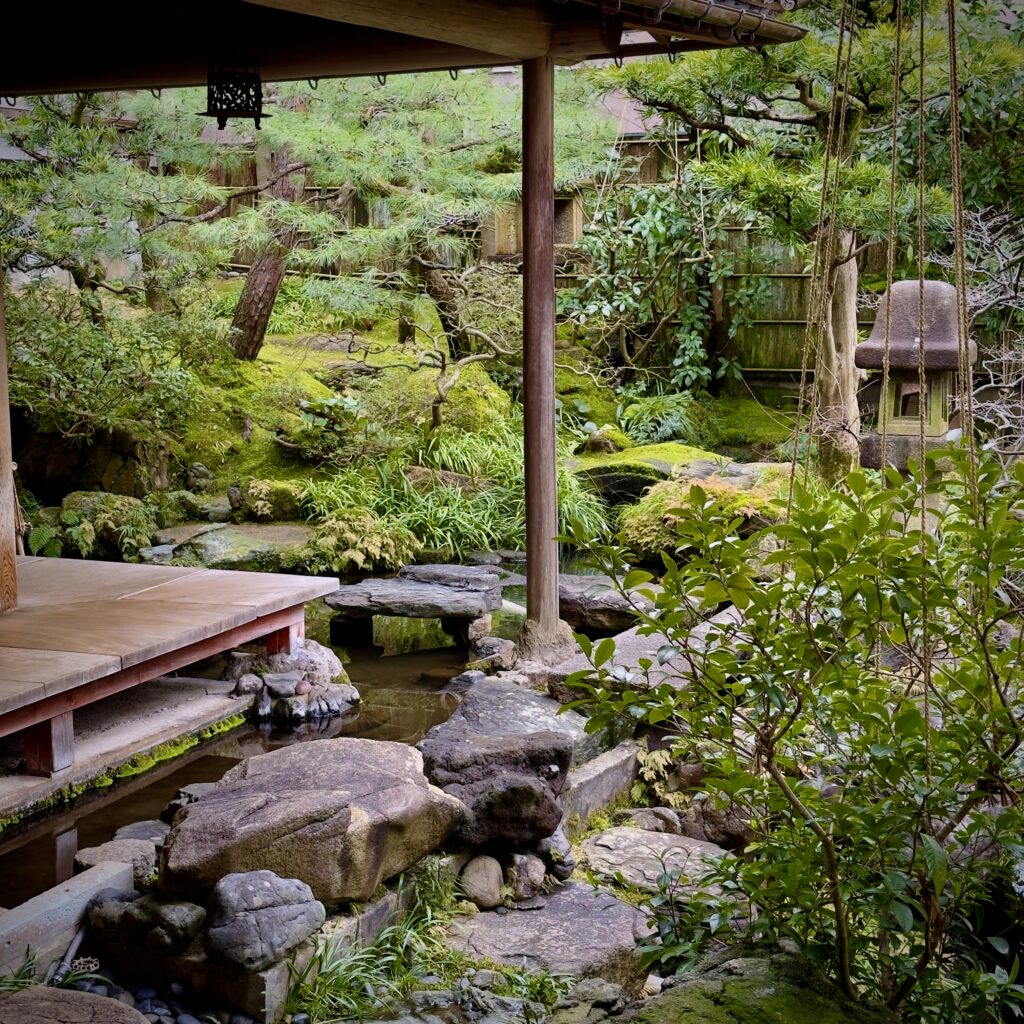
A beautifully preserved samurai residence in the Nagamachi district, once home to the Nomura clan of the Kaga Domain, with carved transom screens, sliding paper doors, and a moss-and-stone stroll garden
Known For: The hand-carved cedar and zelkova ranma, a second-floor tearoom overlooking the courtyard garden, and a collection of clan antiques including lacquerware and armor
Open Daily
Pro Tip: Nagamachi is best explored slowly on foot — the mud-wall lanes and shallow canals are as much the experience as the house itself.
Craft & Design
Kanazawa Shitsurae
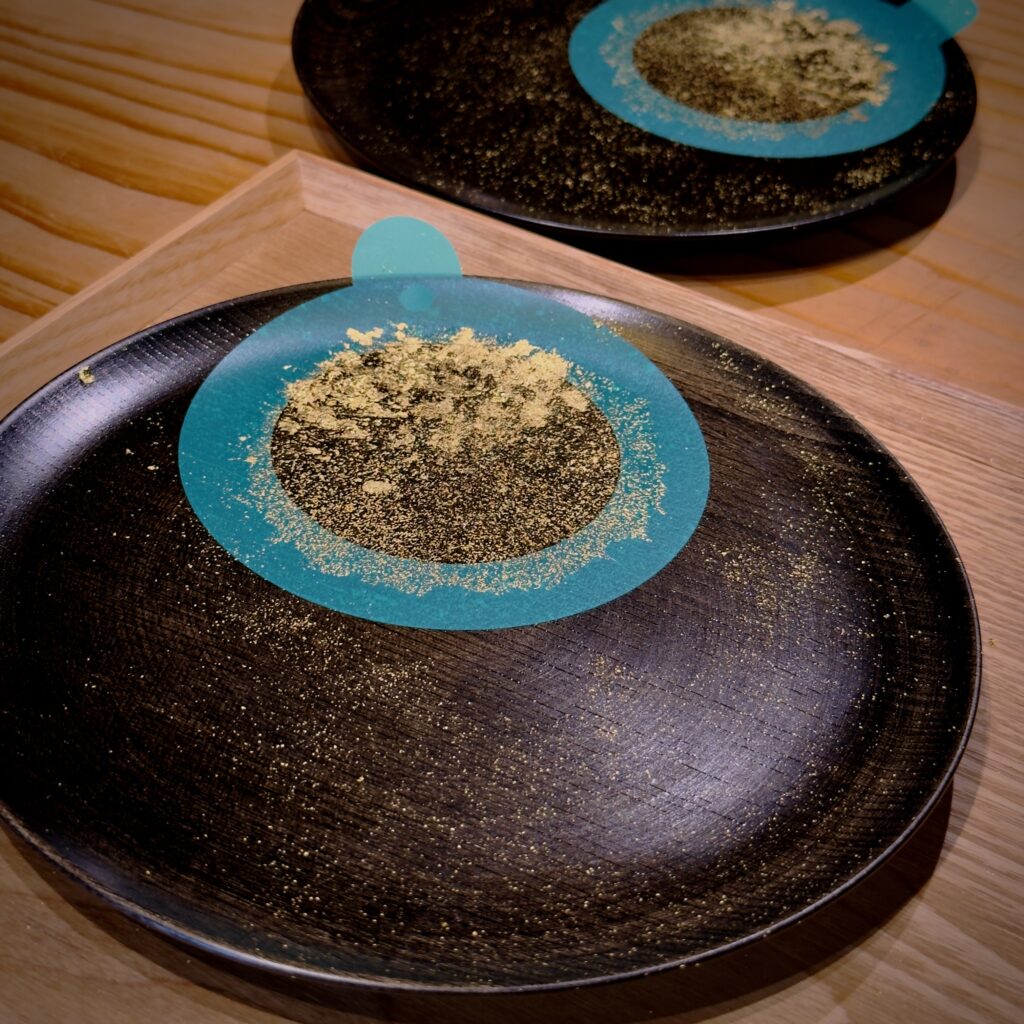
A beautifully curated boutique on the main floor with a tea café on the second floor — and for those who want to go deeper, they also offer the Hazy Moon gold leaf workshop, which takes you through the history and production of Kanazawa’s centuries-old gold leaf tradition before you create your own lacquerware plates to take home
Known For: A carefully edited selection of Kanazawa craft and design objects, and a lovely second-floor café to settle into between shops.
Open Daily
Pro Tip: Book the Hazy Moon gold leaf experience in advance if you want to add it on — it fills up and is worth planning your day around.
Nosaku 1780
The flagship shop and atelier of Nosaku, a traditional lacquerware maker operating in Kanazawa since 1780 — centuries-old techniques, thoroughly contemporary aesthetic
Known For: An exceptional selection of urushi lacquerware, from tableware to decorative objects, made using traditional Kanazawa methods passed down through generations.
Closed: Wednesday
Pro Tip: The shop alone could easily take an hour — the range is extraordinary and the staff know the product deeply.
Kasugayamagama Mokubean
A working kutani porcelain studio with artists painting in the back and hand-painted pieces available to purchase directly — this is not reproduction work, and you can watch the artists do it in real time
Known For: Genuine kutani-yaki — the bold, jewel-toned overglaze painting style the Kaga region has been perfecting since the 17th century. Workshops available.
Open Daily
Pro Tip: Spend time in the studio before you shop — watching the artists work gives you an entirely different appreciation for the pieces.
Here’s how to experience the best of the craftsmanship and culinary landscape this city has spent centuries perfecting — reach out through the button below and I’ll help you build the itinerary around it.