
Food & Wine Travel Guides:
Where to Eat, Drink & Explore
Curated Travel Guides by Kelsey Parry
EXPERTISE
START PLANNING
NEWSLETTER SIGN-UP
CATEGORIES
Alaska
Bakeries
Barcelona
Bars
canada
caribbean
charleston
cocktails
cruise
disney
europe
florence
france
gelato
ireland
italy
japan
london
michelin
new orleans
new York city
paris
pastry
portugal
puerto Rico
restaurants
rome
san antonio
seattle
spain
tennessee
texas
united kingdom
vancouver
victoria
whiskey
wine
Greece
Iceland
April 28, 2026
Tokyo’s Best Restaurants: A Pastry Chef’s Guide to Japan’s Capital
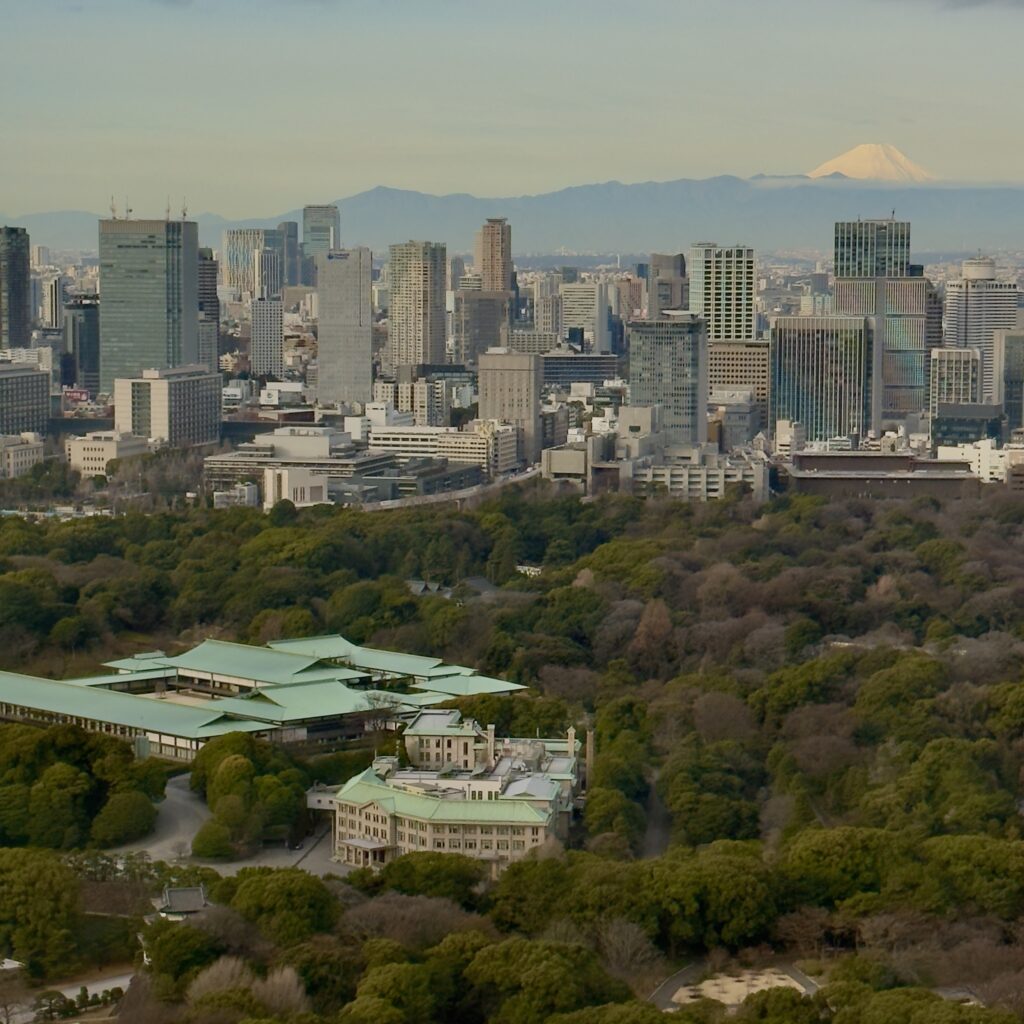
The hardest thing to do in food — in any craft — is to strip something down to its essential form and execute it perfectly, every time. Tokyo understands this better than any city I’ve visited. There’s no posturing here, no excess, no attempt to impress through accumulation. Just an absolute commitment to getting the thing right. A tuna-shaped waffle at a market stall at 8am outperformed desserts I’ve had at three-star restaurants. A tiny Ebisu tempura counter with eight seats gave me my single favorite meal of the trip. These are the places worth your time.
Looking for cocktail bars? I covered Tokyo’s best separately — that guide is here. This one is all food and coffee.
Meals Worth Lingering Over
Tempura Motoyoshi | 天ぷら 元吉
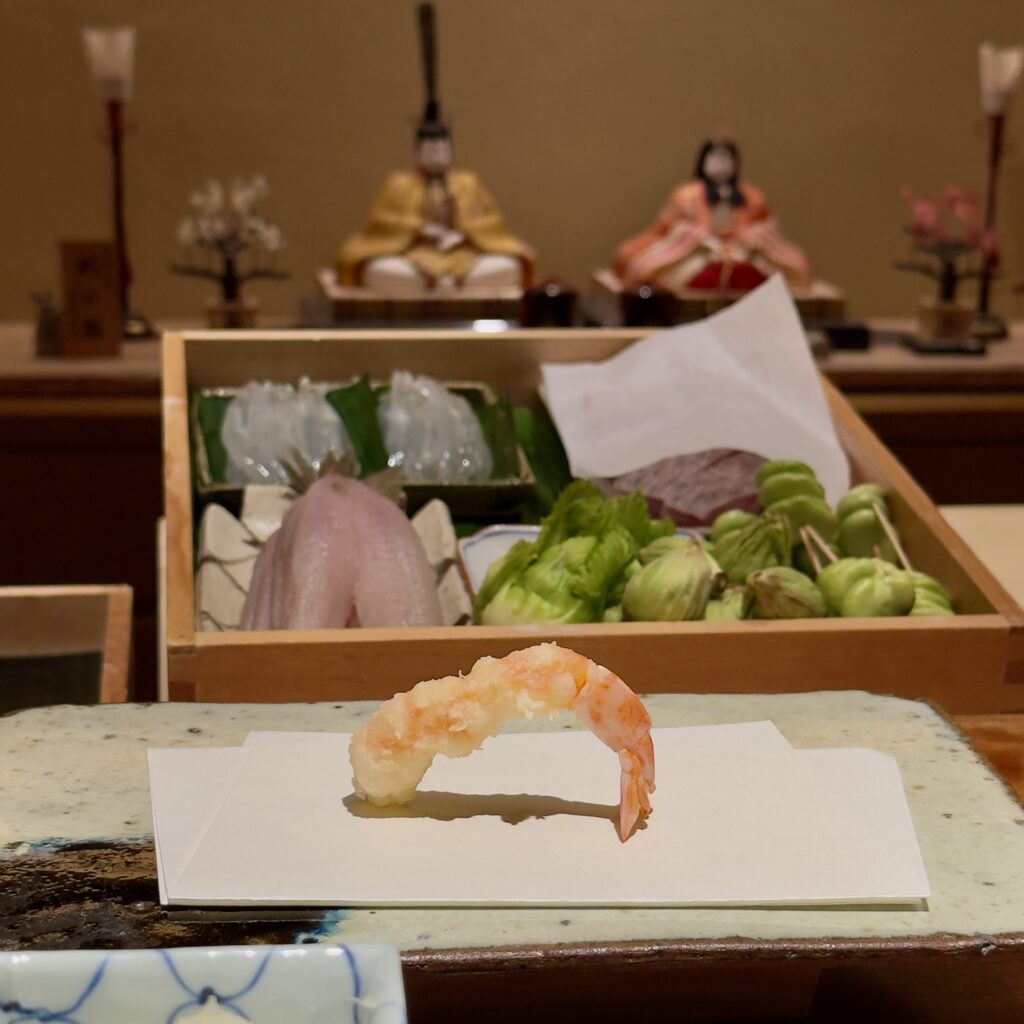
My single favorite meal of the trip. Eight seats in Ebisu, two seating per night, two Michelin stars — and tempura that redefines what the format can be. The batter is chilled with liquid nitrogen before frying; the signature is chilled sea urchin on a deep-fried perilla leaf.
Known For: Two-Michelin-starred omakase tempura with a liquid nitrogen batter technique unlike anything else in the city
Closed: Sunday
Pro Tip: Book through your hotel concierge — this one is difficult to secure independently.
Tachiguizushi Akira | 立喰寿司 あきら
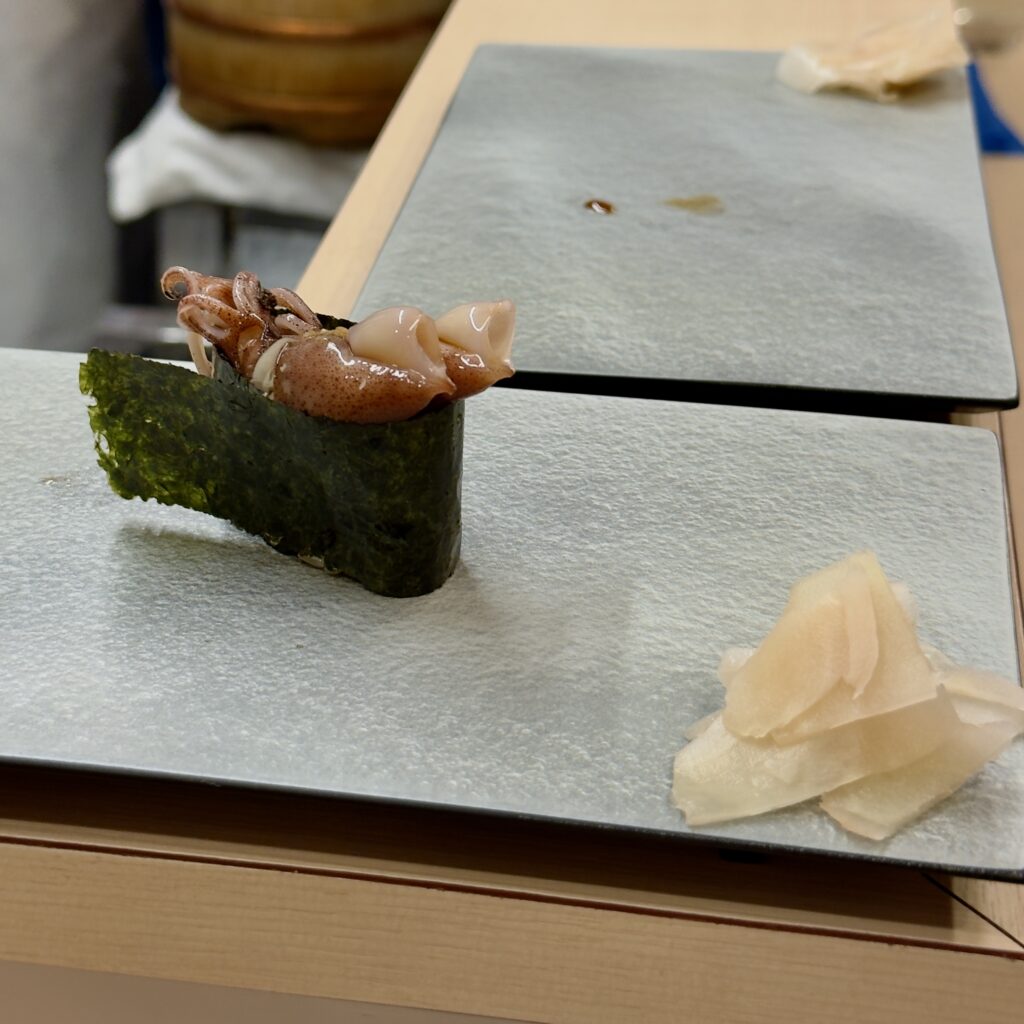
The standing sushi sibling of introduction-only Sushi Shoryu, tucked into a Shimbashi basement. Six or seven guests stand at a wooden counter for Edomae-style nigiri to order — honmaguro and aburi nodoguro are the pieces to watch for.
Known For: Edomae-style tachigui sushi at its best
Open Daily
Pro Tip: Reservations are recommended — spots are extremely limited.
Pizza Marumo
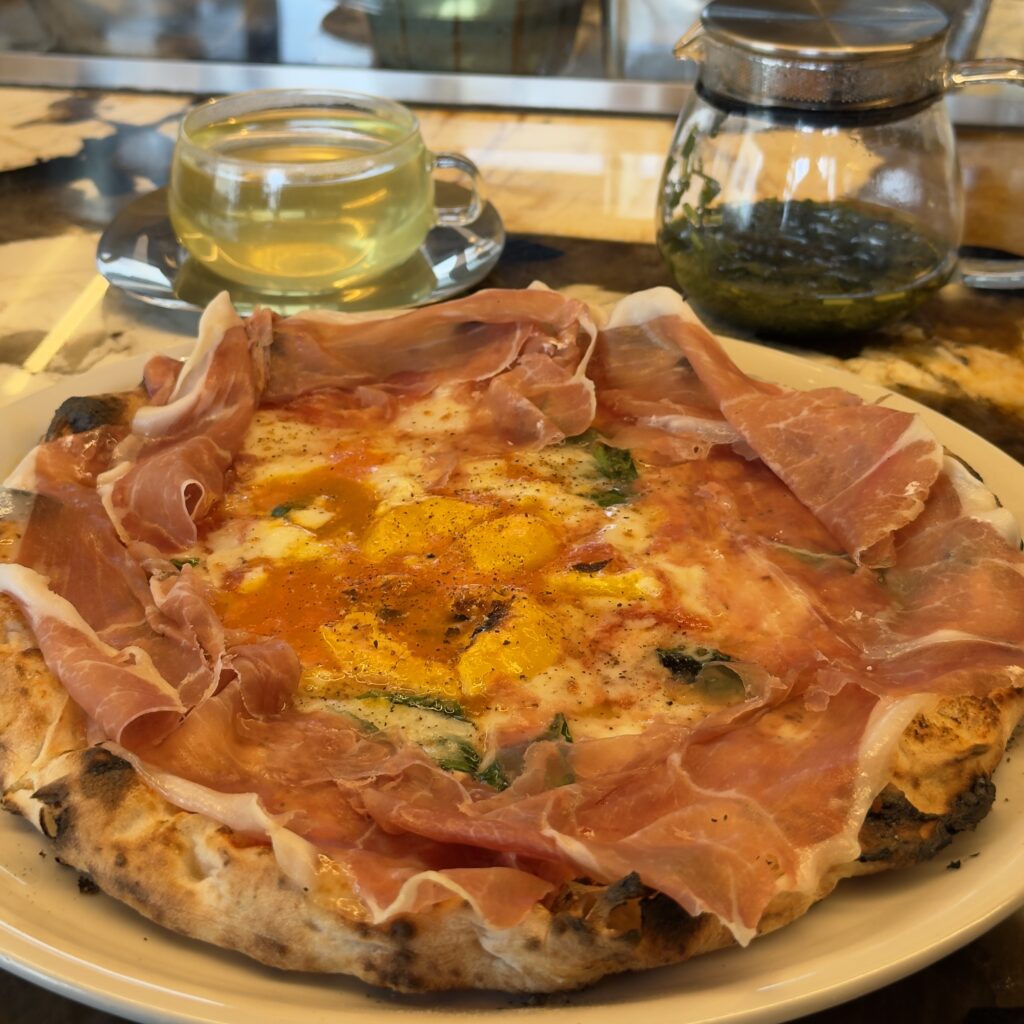
Chef Yuki Motokura’s Ebisu shop landed in the global top ten (Best Chef Awards) shortly after opening in 2022. The dough ferments for 24 hours before the wood oven — the result is a crust that’s become one of the most talked-about in the country.
Known For: Tokyo-style wood-fired pizza with a 24-hour fermented dough that puts most Neapolitan in the city to shame
Open Daily
Pro Tip: Book ahead — dinner and weekends fill quickly. Counter seats are worth requesting.
Kushiyakisenmon Sagoemon | 串焼専門 佐五右衛門
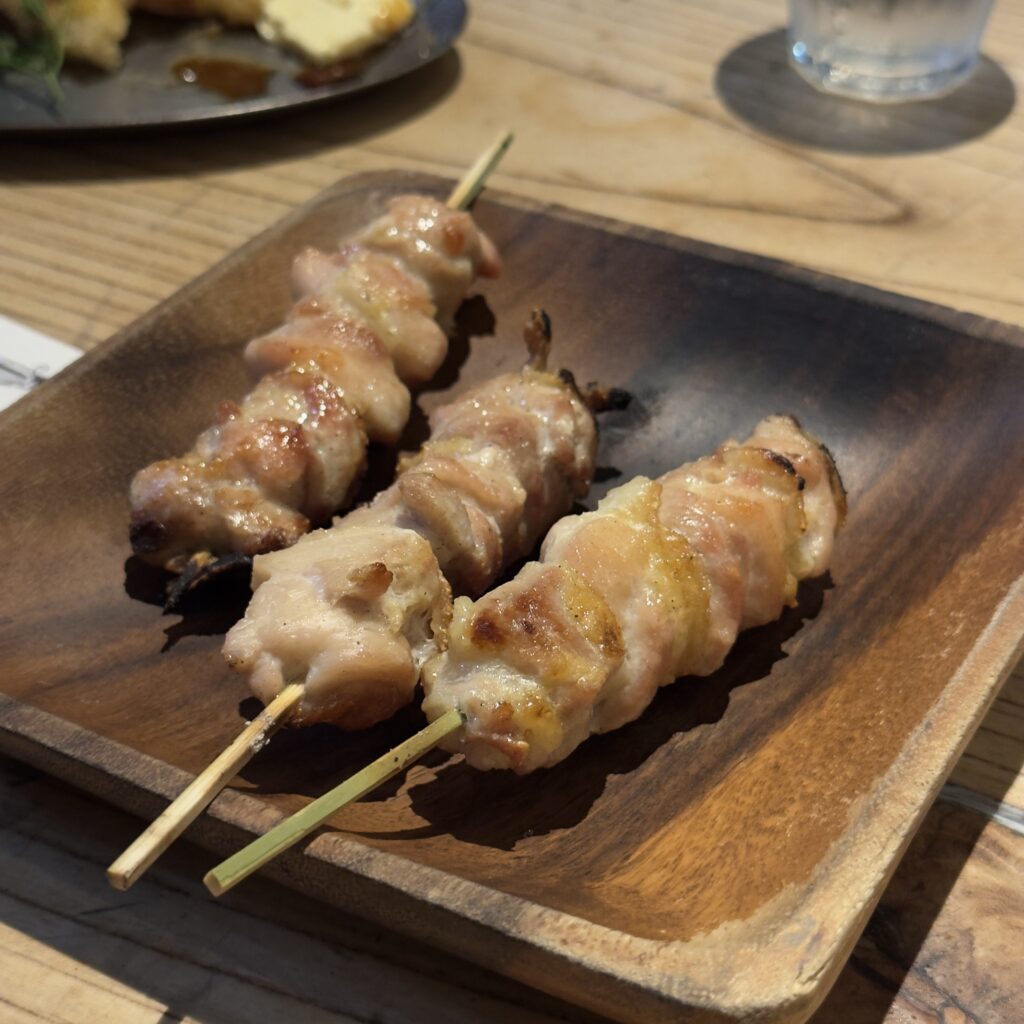
A Shibuya kushiyaki specialist where grill masters from top-tier kitchens work over premium charcoal. The skewers span classic and rare cuts — the jumbo negima is the item the restaurant is built around, and the reason it’s consistently hard to reserve.
Known For: Charcoal-grilled kushiyaki with a focus on rare cuts and the signature jumbo negima
Open Daily
Pro Tip: Reservations are strongly recommended — this one books out regularly.
Sézanne
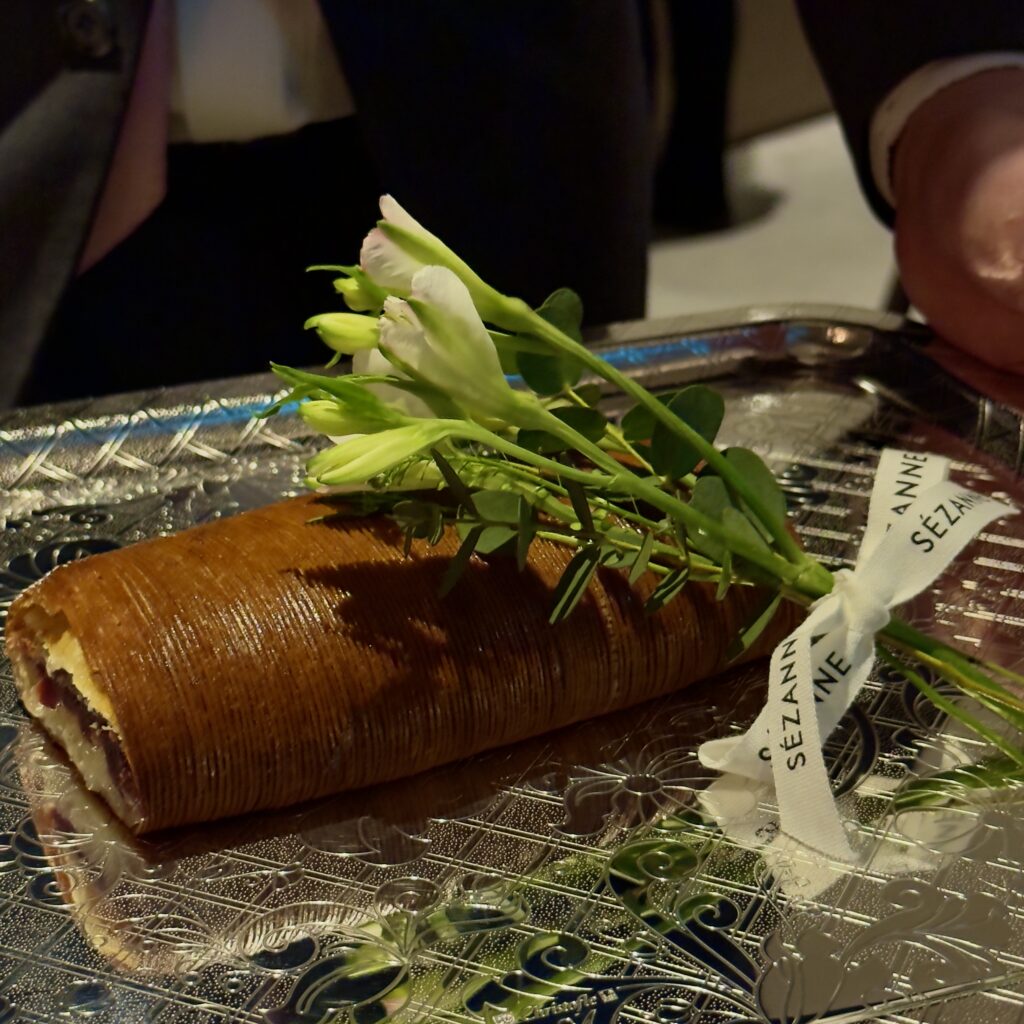
Three-Michelin-star French at the Four Seasons Hotel Tokyo at Marunouchi, with a show kitchen, an Andre Fu-designed dining room, and an extensive Champagne list. Seasonal Japanese ingredients are woven into a classically-rooted French menu.
Known For: Three-Michelin-star French with a serious Champagne program
Open Daily
Pro Tip: Reserve well in advance; strict dress code — jackets required for gentlemen, no athletic wear or casual sandals.
Coffee & Kissaten | 喫茶
Tajimaya Coffee | 但馬屋珈琲店
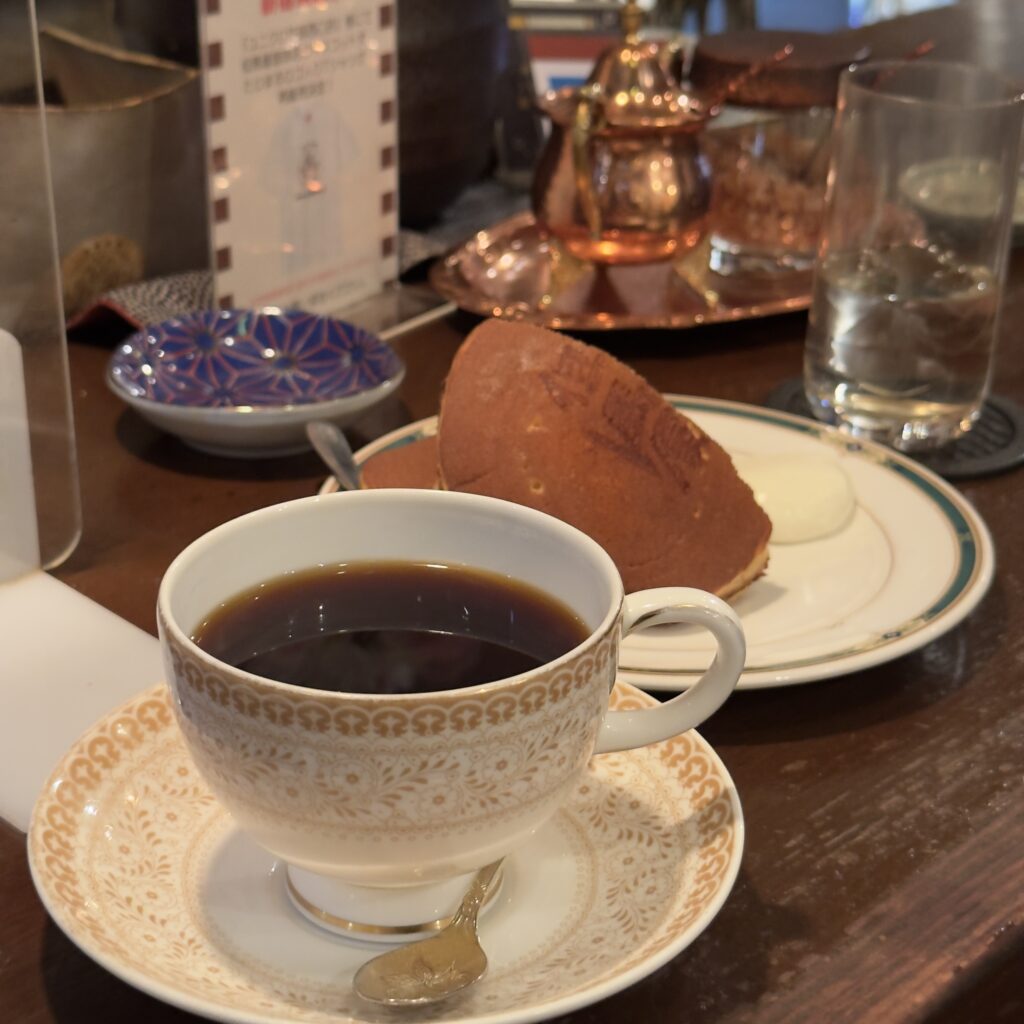
A Shinjuku institution since 1964, tucked into Omoide Yokocho near the station’s west exit. Green beans are sorted by hand, roasted in-house, and every cup dripped through a flannel cloth filter — no phones, no wi-fi, no espresso machine.
Known For: In-house roasted, flannel-dripped coffee in 16+ varieties
Open Daily
Pro Tip: Cash only, and smoking is permitted inside.
Fuglen Sangubashi
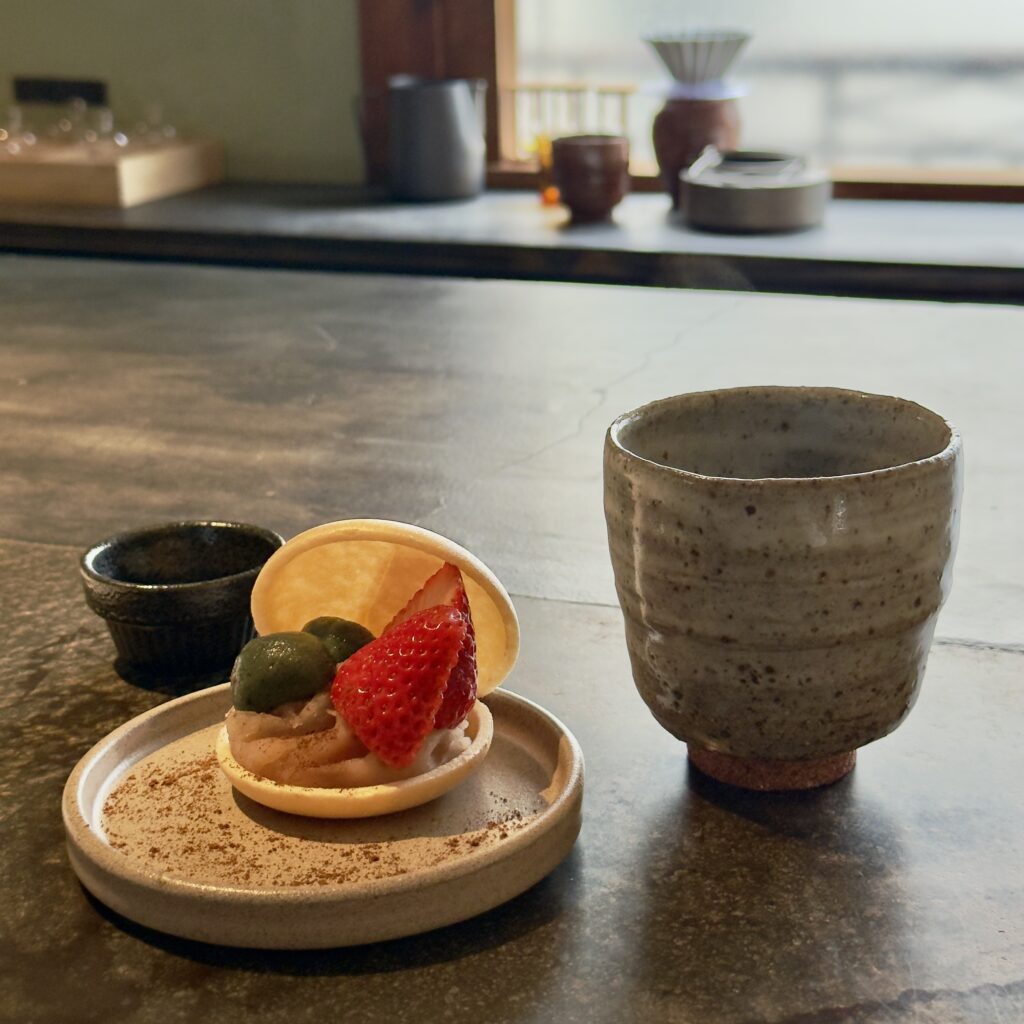
The Norwegian brand’s most considered Tokyo outpost, inside a renovated traditional Japanese home near Meiji Shrine. The two-drink course moves from hand-drip to Kokekaffe — Norwegian hiking-style coffee brewed tableside on a camp stove — paired with Brunost on crispbread. Reserved seating only.
Known For: The Kokekaffe tableside brewing experience — unhurried, deliberate, unlike any other coffee stop in the city
Closed: Monday
Pro Tip: Book online in advance.
Koffee Mameya Kakeru
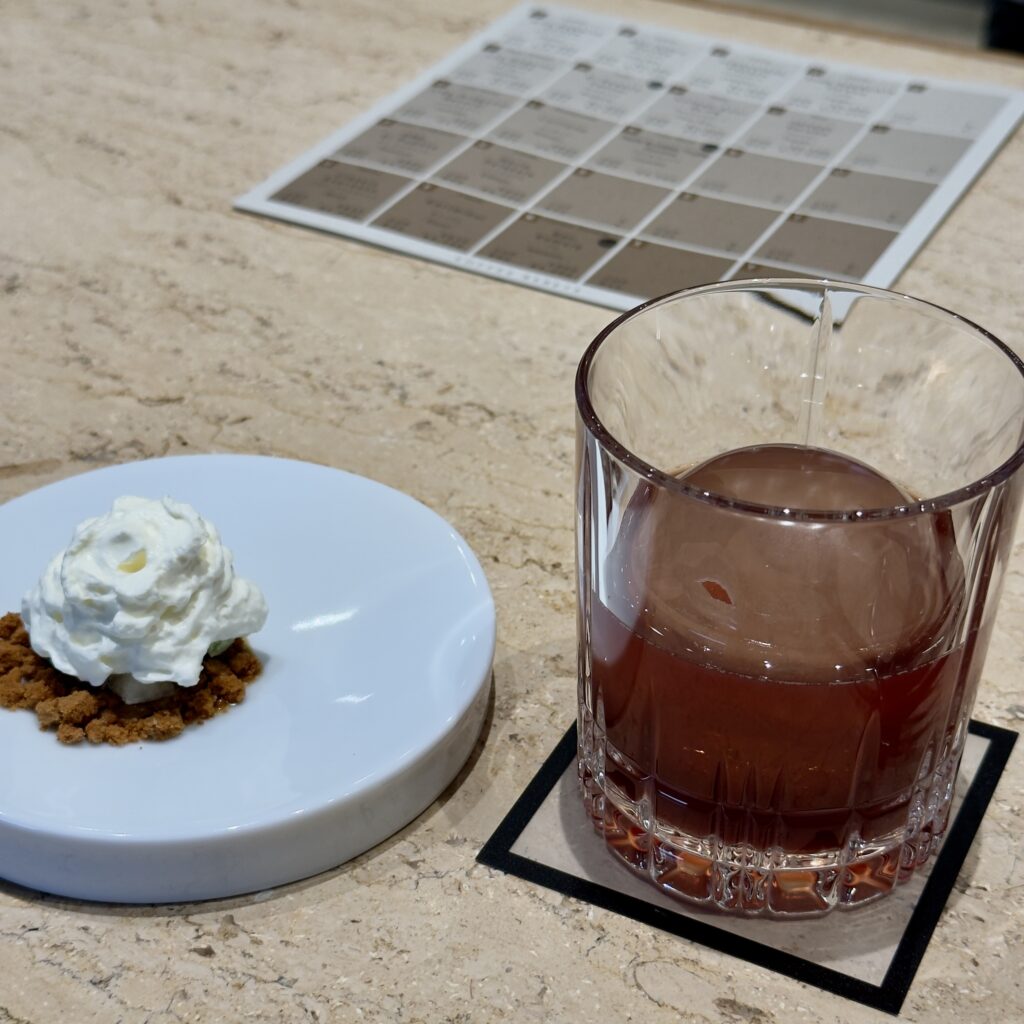
In Kiyosumi-Shirakawa, Tokyo’s most coffee-obsessed neighborhood, Kakeru operates as a counter-seated coffee omakase. A dedicated barista guides each flight through multiple preparations — cold brew, pour-over, cocktail-style — paired with house sweets. Reservations recommended.
Known For: Coffee omakase — what Michelin-starred dining is to food, applied to the cup
Open Daily
Pro Tip: Before making any bean selections, convert pricing to your own currency — quantities here are considerably smaller than what’s standard in the US.
Sweets
Tsukiji Sanokiya | 築地さのきや
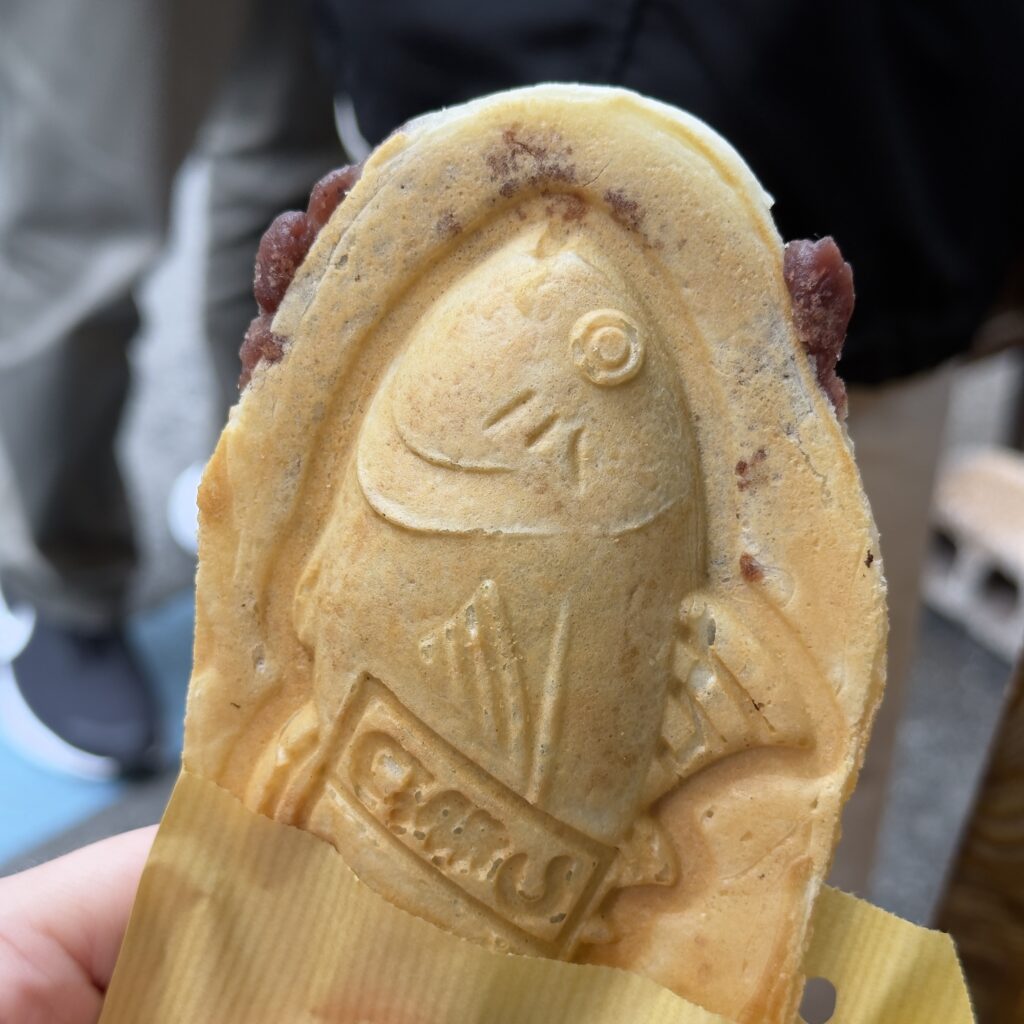
A take-out window in the Tsukiji Outer Market making maguro-yaki — tuna-shaped taiyaki, a nod to the market’s identity. Hon-maguro is filled with Tokachi azuki paste; Chu-toro with apricot. Made to order, eaten standing, gone by afternoon.
Known For: Maguro-shaped taiyaki — the hon-maguro and chu-toro are both worth trying
Closed: Sunday
Pro Tip: Go for the traditional hon-maguro with anko — it’s the one the shop is built around.
FAQ: Eating and Drinking in Tokyo
How do I get around? The subway covers almost everything — an IC card (Suica or Pasmo) works seamlessly across all transit and removes any friction between neighborhoods.
How much cash should I carry? Most restaurants accept cards, but a handful — Tajimaya included — are cash only. Having ¥10,000–¥20,000 on hand covers most situations.
What about tipping? Japan does not tip. The hospitality is built into how everything is offered and requires no supplement.
Ready to build your Tokyo culinary itinerary? I’ve traveled this city with serious intention — reach out through the button below, and I’ll help you make the most of every meal.