
Food & Wine Travel Guides:
Where to Eat, Drink & Explore
Curated Travel Guides by Kelsey Parry
EXPERTISE
START PLANNING
NEWSLETTER SIGN-UP
CATEGORIES
Alaska
Bakeries
Barcelona
Bars
canada
caribbean
charleston
cocktails
cruise
disney
europe
florence
france
gelato
ireland
italy
japan
london
michelin
new orleans
new York city
paris
pastry
portugal
puerto Rico
restaurants
rome
san antonio
seattle
spain
tennessee
texas
united kingdom
vancouver
victoria
whiskey
wine
Greece
Iceland
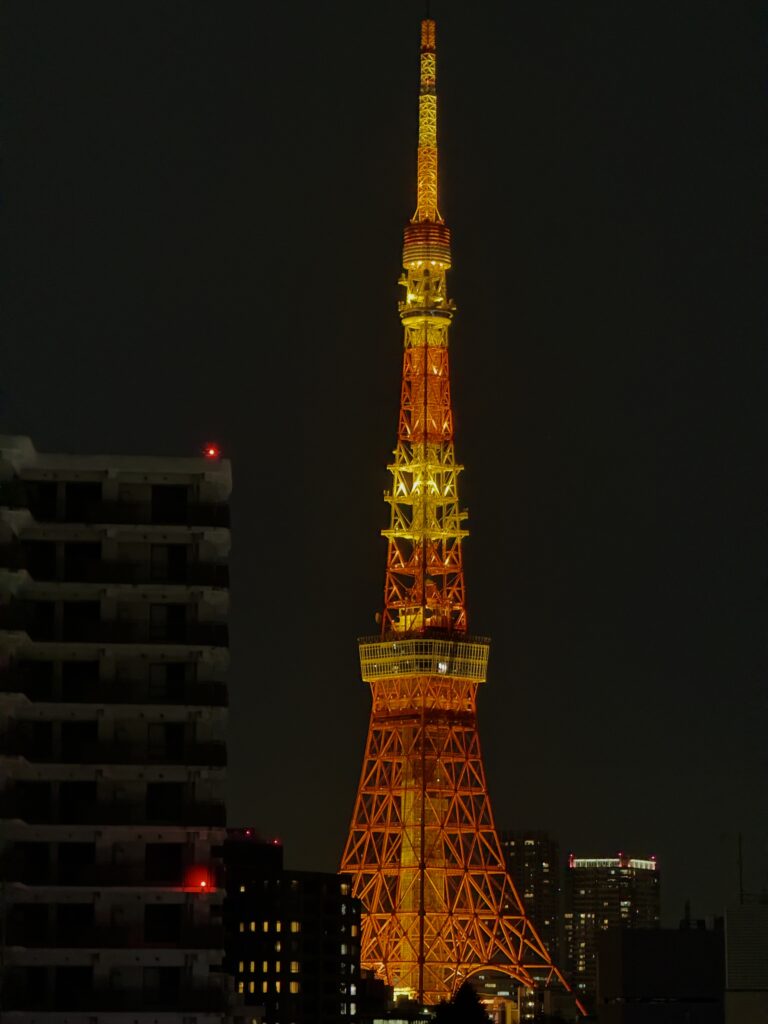
Tokyo’s bar culture runs on the same operating principle as its kitchens: deep commitment to a specific craft, no wasted motion, no performance for its own sake. The bartenders here are specialists in the truest sense — one might spend a career devoted entirely to vermouth, another to house-distilled botanicals, another to the perfect conditions for a jazz set on the 52nd floor. The result is a bar culture unlike anywhere else I’ve visited.
For the food side of Tokyo, the companion guide to the city’s best restaurants is here.
Bars Worth the Trip
Bar Benfiddich | バーベンフィデック
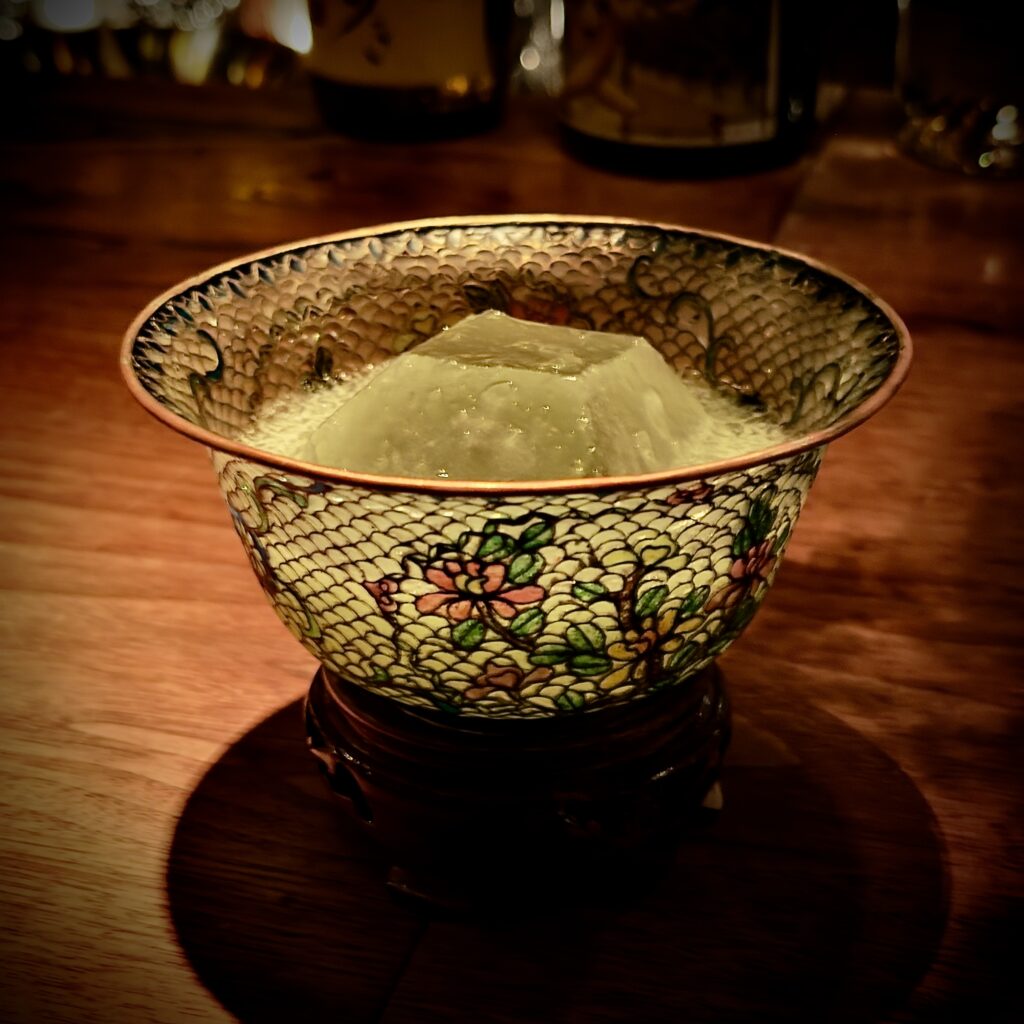
Hiroyasu Kayama’s Shinjuku counter is one of the most singular bar experiences in the world, let alone Tokyo. He grows and forages his own botanicals, distills spirits in-house, and builds cocktails that read like field notes from a 19th-century apothecary. The absinthe is made entirely from scratch, and nearly everything else is too.
Known For: House-distilled botanical cocktails built from foraged and farm-grown ingredients — a perennial on the World’s 50 Best Bars list
Closed: Sunday
Pro Tip: Keep an eagle eye on his Instagram — when he posts his availability for the next month, that’s when reservations go live.
SG Club
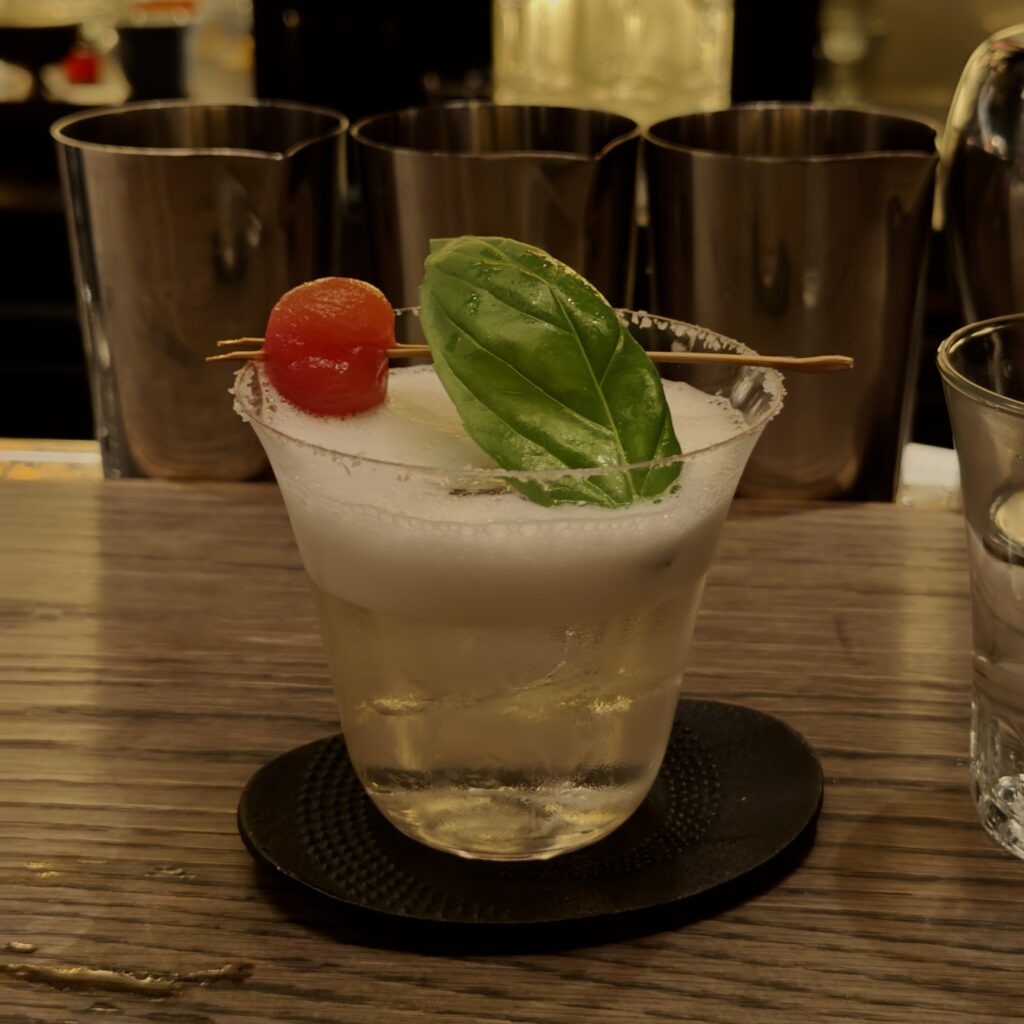
This Shibuya institution runs as two distinct spaces: an upstairs bar that’s lively and approachable for walk-ins, and the Substation below — a lower-lit, speakeasy for those with reservations. Gokan made his name in New York before bringing the concept back to Tokyo, before also bringing the concept back to New York at Sip and Guzzle.
Known For: Dual-concept space with technically precise, visually striking cocktails — a regular on the World’s 50 Best Bars list
Open Daily
Pro Tip: Reservations should definitely be made for the basement.
New York Bar | ニューヨークバー
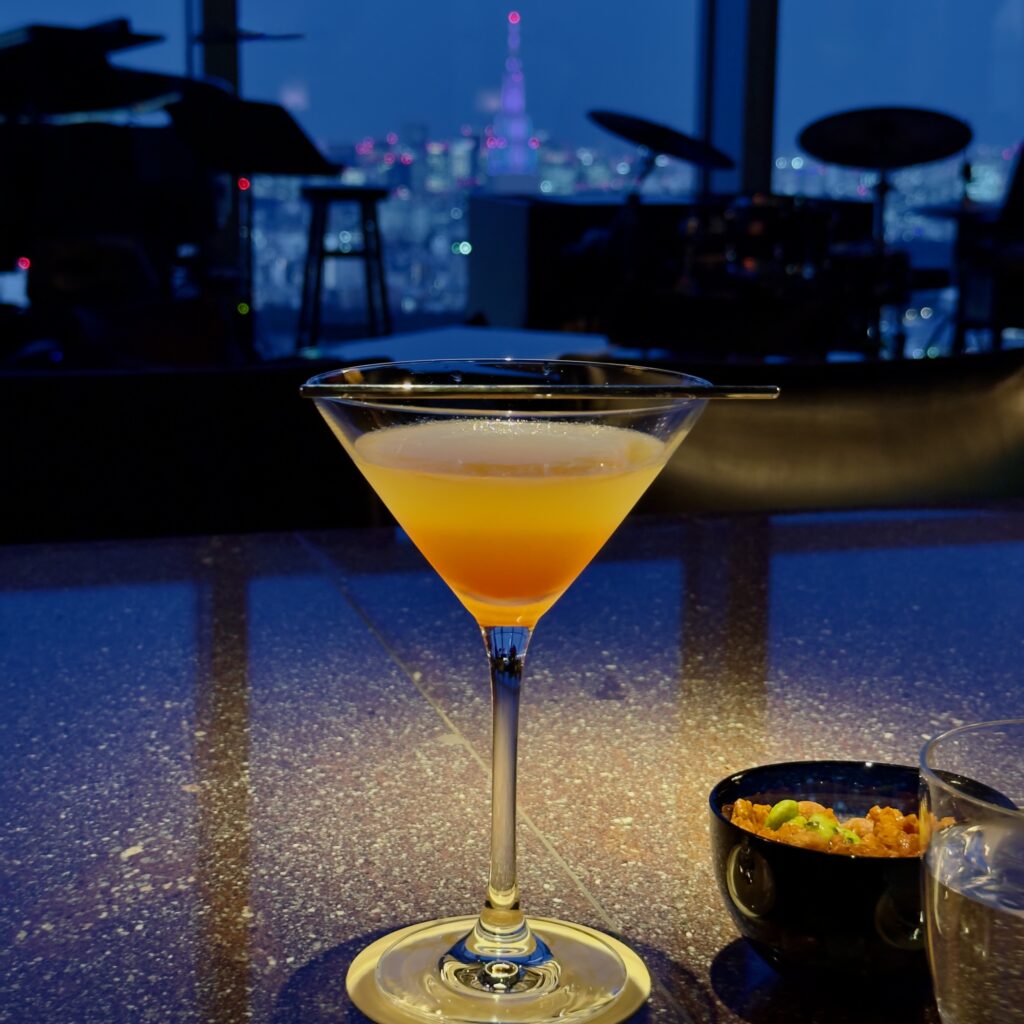
On the 52nd floor of the Park Hyatt Tokyo in Shinjuku, this is one of those rare hotel bars that earns every bit of its reputation. Floor-to-ceiling windows frame the full Tokyo skyline, live jazz runs nightly, and the drinks list is anchored by a serious whisky selection. Arrive at dusk; stay for at least one set.
Known For: Panoramic Tokyo skyline views, live jazz, and a great whisky program
Open Daily
Pro Tip: Smart casual dress is expected and there is a hefty cover charge during the nightly jazz.
Virtù
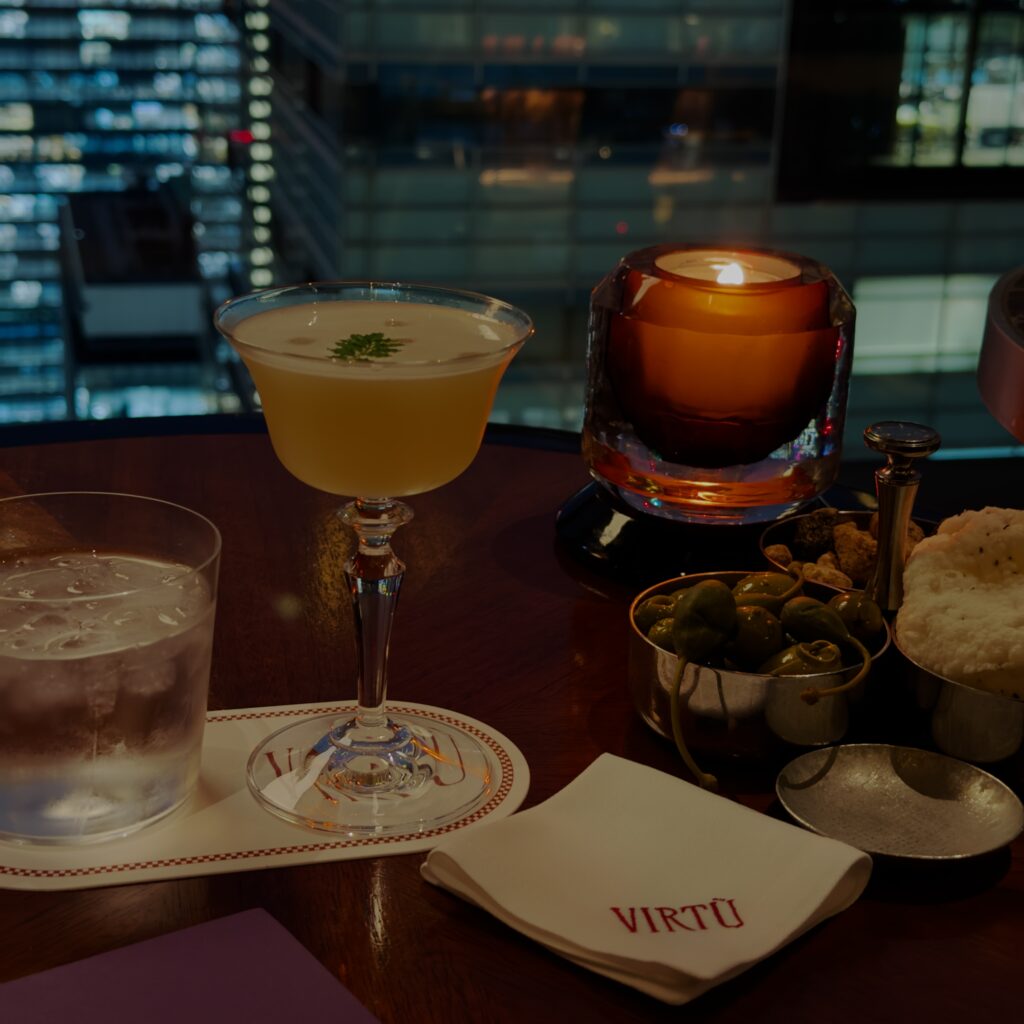
On the 39th floor of the Four Seasons Hotel Tokyo at Otemachi, Virtù is built around a “Paris meets Tokyo” concept — French spirits and a world-class vintage cognac collection filtered through Japanese technique and precision. The Art Deco room has floor-to-ceiling windows looking out over eastern Tokyo and the Skytree, and the service here is as considered as what’s in the glass.
Known For: French-Japanese cocktail program with one of the world’s great cognac collections — ranked on both the World’s 50 Best Bars and Asia’s 50 Best Bars lists
Open Daily
Pro Tip: No reservations required, but given its profile, arriving early or on a weeknight gives you the best chance at a window seat.
At the Counter
Bar Trench | バー トレンチ
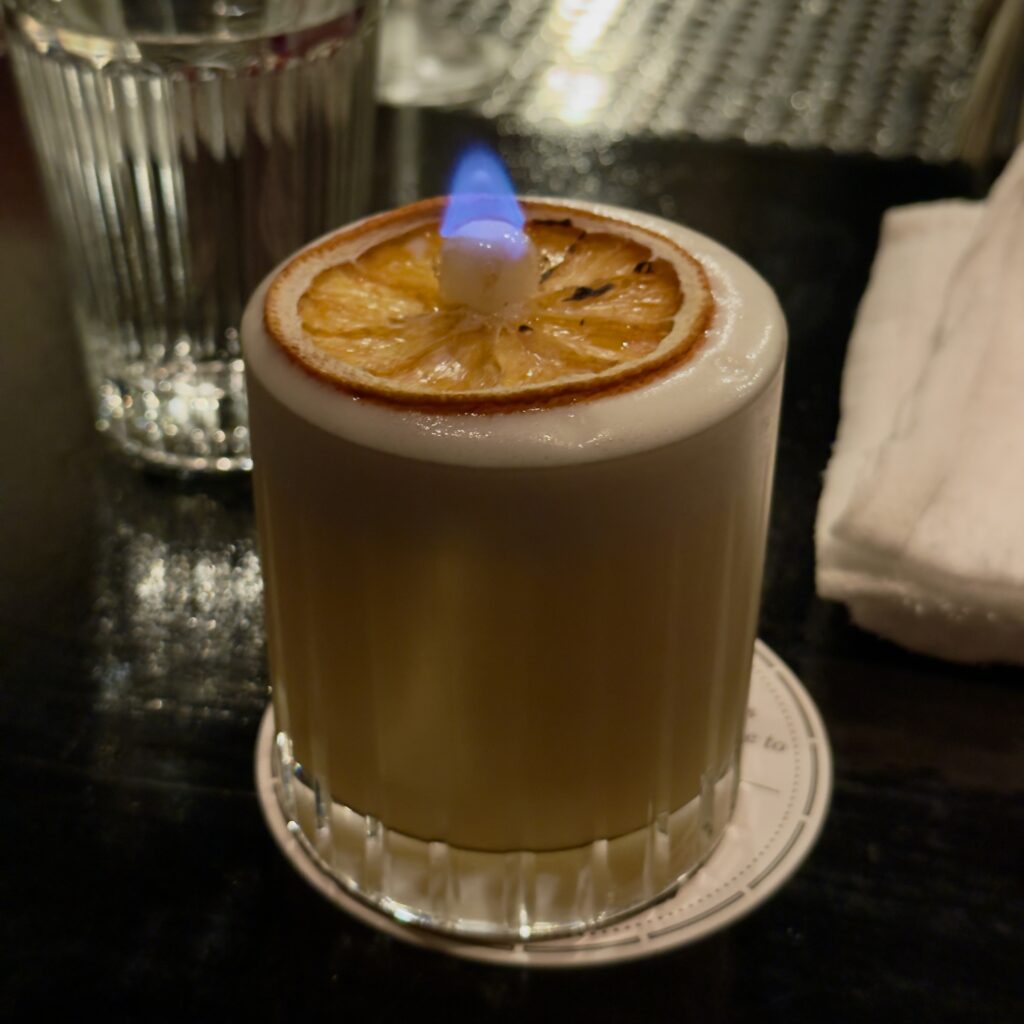
An Ebisu cornerstone built around European spirits — vermouth, amaro, bitter liqueurs, and a digestif selection that reads like a tour through the Alpine and Mediterranean regions. Intimate counter seating, no-reservation policy, and bartenders who know their cellar the way a sommelier knows a wine list.
Known For: European spirits program with particular depth in vermouth and amaro
Open Daily
Pro Tip: Walk-ins only — arrive early, especially on weekends.
Unknown
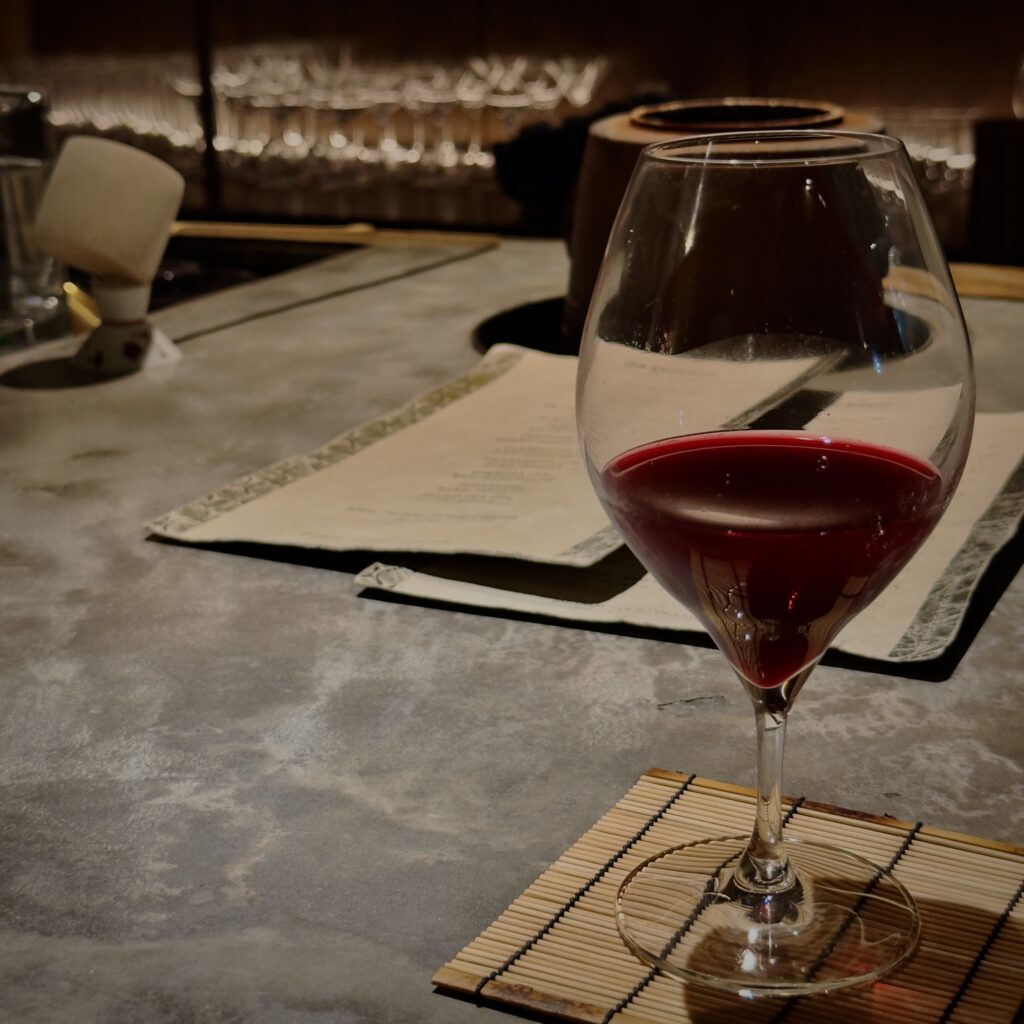
An Ebisu bar built entirely around the intersection of Japanese tea culture and mixology. The seasonal menu runs about a dozen cocktails — identified by number and ingredients rather than names — with combinations like barley shochu with houjicha and coffee liqueur, or Ki No Bi gin with matcha and yuzu. The tea-infused gin list (gyokuro, sencha, black tea) is worth working through on its own.
Known For: Tea-forward cocktails and tea-infused spirits in a room anchored by a bonsai tree and ukiyo-e-inspired artwork
Open Daily
Pro Tip: Walk-ins welcome — no reservation needed.
Cocktail Barbolla
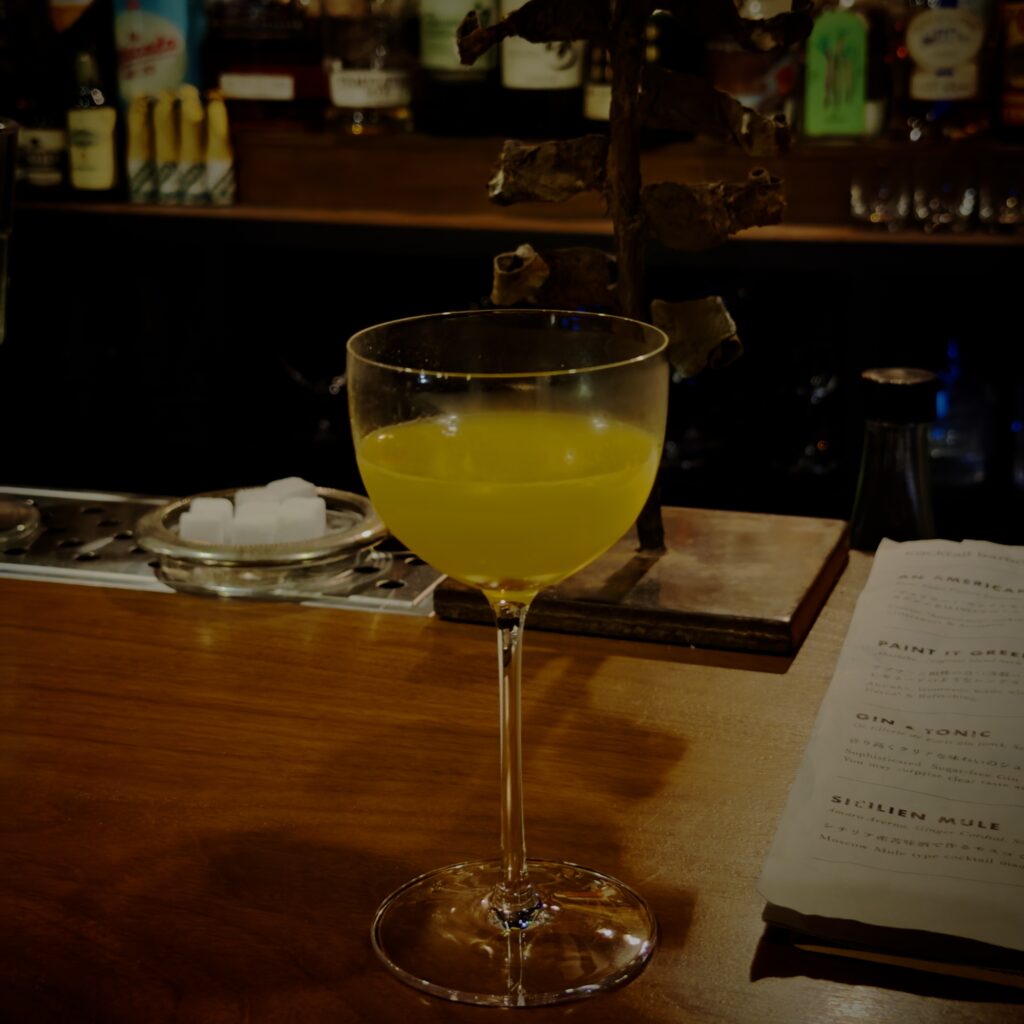
A new spot running a precise, technique-driven cocktail program. The list is tight by design — every drink has a reason to exist, and none of them overstay their welcome.
Known For: Technique-forward cocktail program with a tight, rotating menu
Open Daily
Pro Tip: New and from one of the former Bar Trench team members.
Bar Culture
Tokyo Confidential | トーキョー コンフィデンシャル
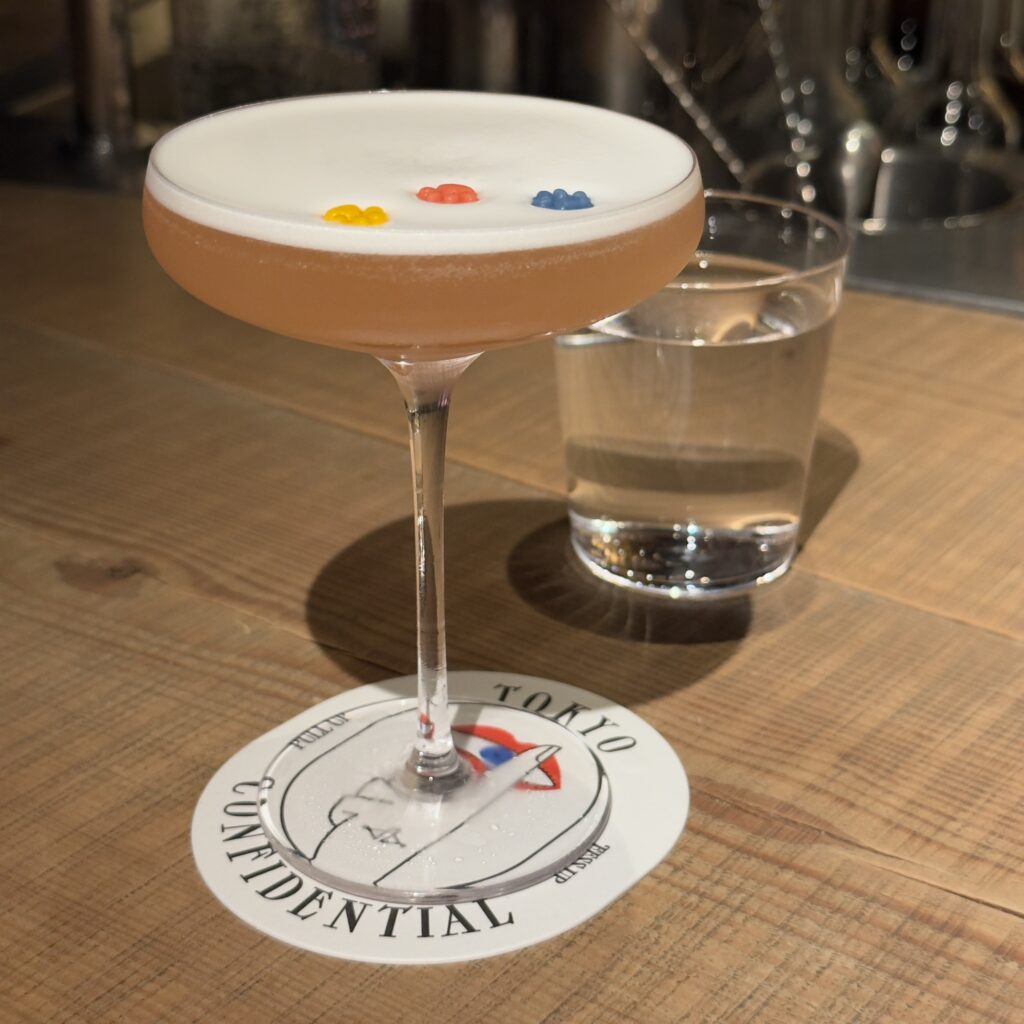
This Azabu-Juban bar is a full-on, unapologetically gregarious night out. The bar top is carved from 300-year-old reclaimed shrine wood; the rooftop terrace has an unobstructed view of Tokyo Tower; and the cocktail menu gets a full creative overhaul each year.
Known For: Lively, high-energy, with great Tokyo Tower views
Open Daily
Pro Tip: Walk-ins are welcome — the “pull up, fess up” attitude is genuine.
The Bellwood
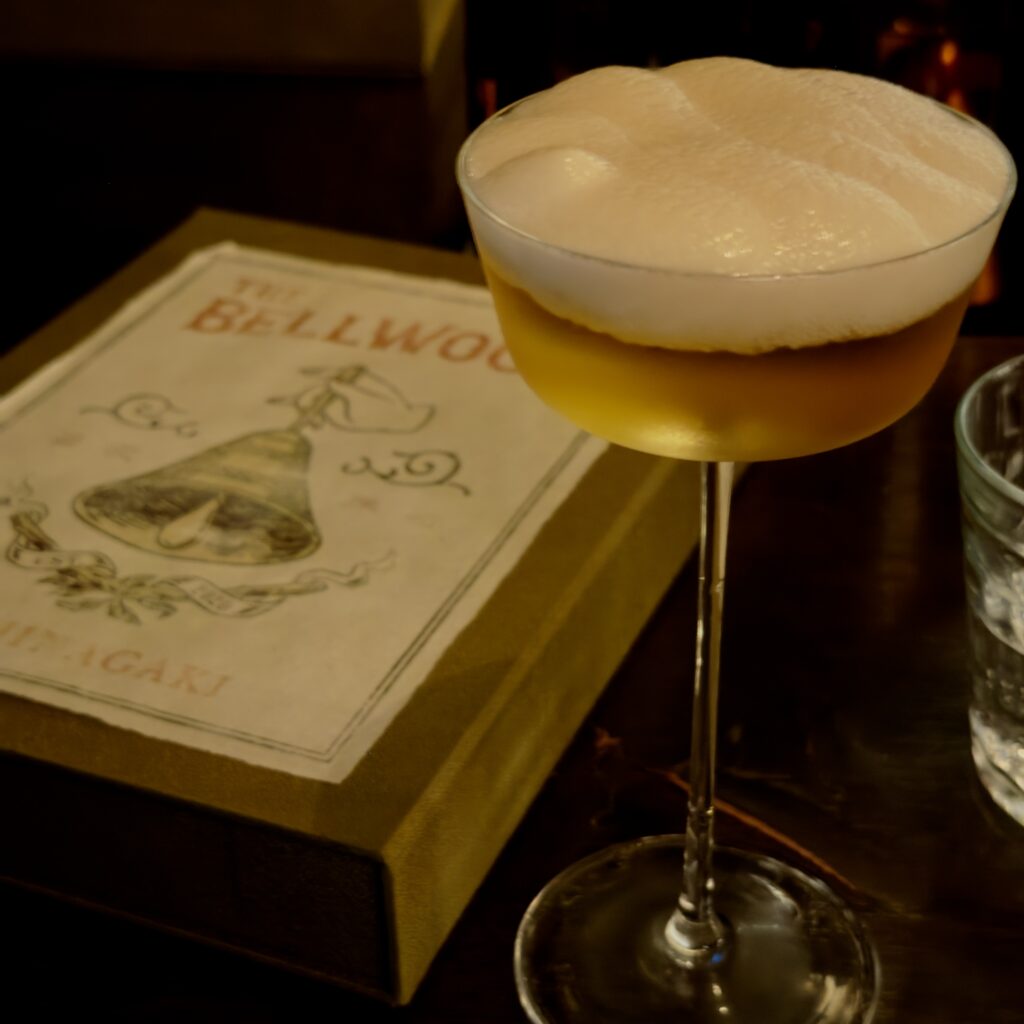
A Shibuya bar built around one of the most original concepts in Tokyo’s drinking scene: the cocktail kaiseki. The drinks program is structured around the courses of a traditional kaiseki meal — each cocktail reimagined as a course, drawing on both Japanese and Western spirits. The aesthetic reflects an era when Western and Japanese culture began to genuinely merge for the first time.
Known For: Cocktail kaiseki in a beautifully considered room — a consistent presence on the World’s 50 Best Bars list
Open Daily
Pro Tip: Walk-ins are welcome for drinks, but reservations are strongly encouraged.
THE MUSIC BAR -CAVE SHIBUYA-
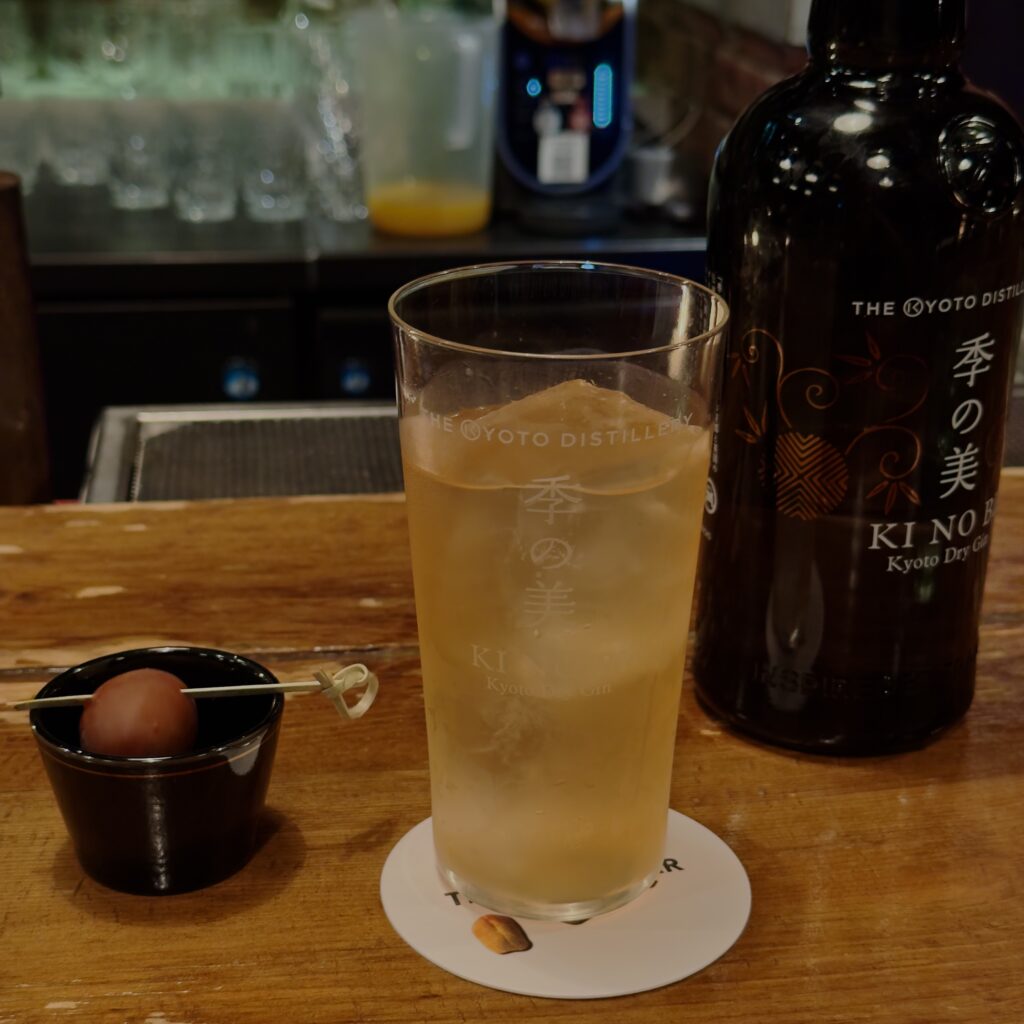
Tokyo has a long tradition of listening bars — spaces built around recorded music, treated with the same seriousness applied to food and drink. Cave is among the better examples: over 3,000 carefully selected vinyl records, a serious sound system, and cocktails that don’t compete with the experience.
Known For: Vinyl-focused listening bar with one of the largest record collections in Tokyo and a considered drinks list
Closed: Sunday
Pro Tip: Go with the intention to listen — this is not a background music bar.
FAQ: Drinking in Tokyo
Do I need reservations? For the most serious bars (i.e., Benfiddich, SG Club) and most of the top bars in general — yes, and often weeks in advance. Walk-in bars like Bar Trench and Virtù; arrive early.
What are the hours? Tokyo’s bar scene runs late. Most open around 6 or 7pm and stay open past midnight; some push through to 3 or 4am on weekends.
Is tipping expected? No. As with restaurants, hospitality in Tokyo is built into how every drink is made and served. No supplement is needed or expected.
Ready to put together your Tokyo bar itinerary? Reach out through the button below, and I’ll help you build the evenings around the meals.