
Food & Wine Travel Guides:
Where to Eat, Drink & Explore
Curated Travel Guides by Kelsey Parry
EXPERTISE
START PLANNING
NEWSLETTER SIGN-UP
CATEGORIES
Alaska
Bakeries
Barcelona
Bars
canada
caribbean
charleston
cocktails
cruise
disney
europe
florence
france
gelato
ireland
italy
japan
london
michelin
new orleans
new York city
paris
pastry
portugal
puerto Rico
restaurants
rome
san antonio
seattle
spain
tennessee
texas
united kingdom
vancouver
victoria
whiskey
wine
Greece
Iceland
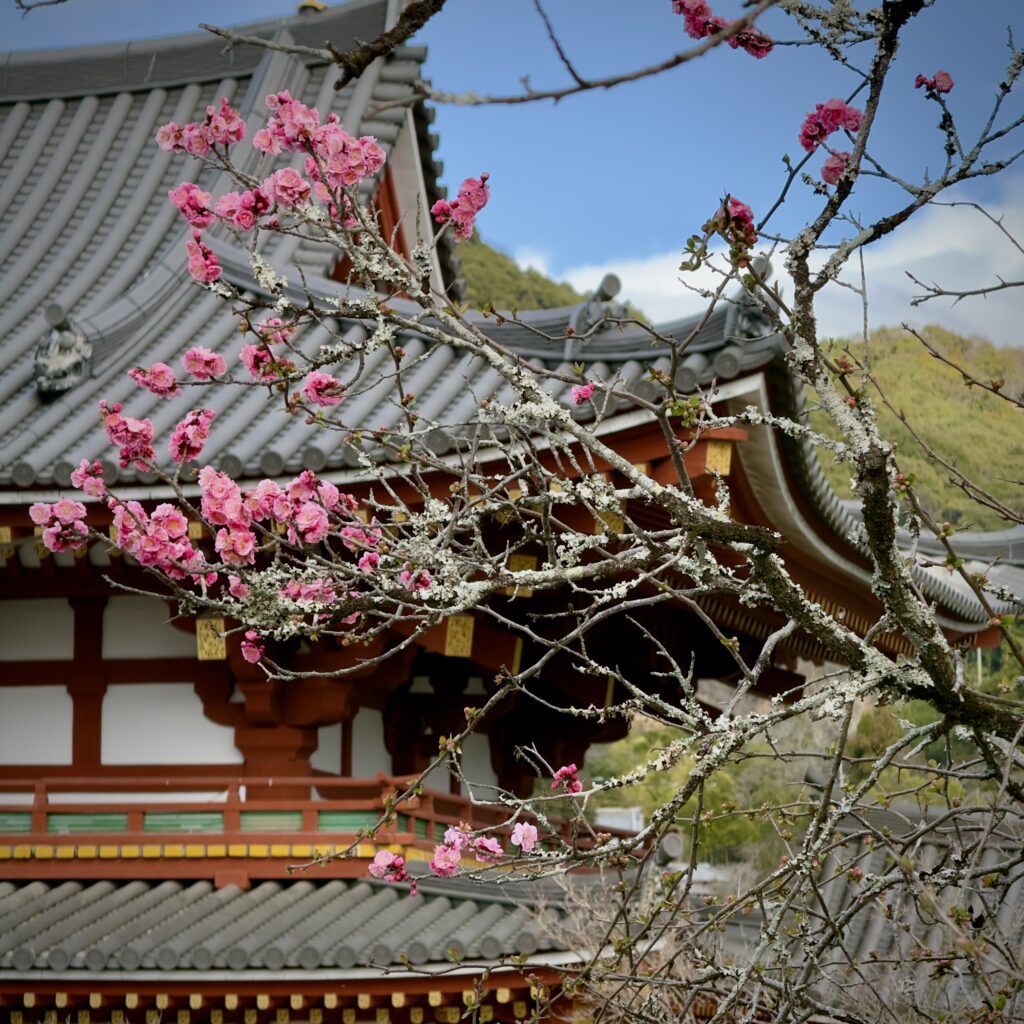
Twenty minutes south of Kyoto by train, Uji is where Japan’s finest matcha comes from — and I mean that literally. The terroir here, shaped by morning river mists and centuries of cultivation, produces tea with a depth and umami that makes everything you’ve had before taste like lawn clippings. As a former pastry chef and sommelier, this is exactly the kind of place I live for: a single ingredient, perfected over hundreds of years, with an entire town built around reverence for it. Uji also happens to be home to two UNESCO World Heritage Sites, a working pottery studio with four centuries of history, and a walkable riverside center you can cover in a full, deeply satisfying day.
Where to Go in Uji
Kanbayashi Shunsho
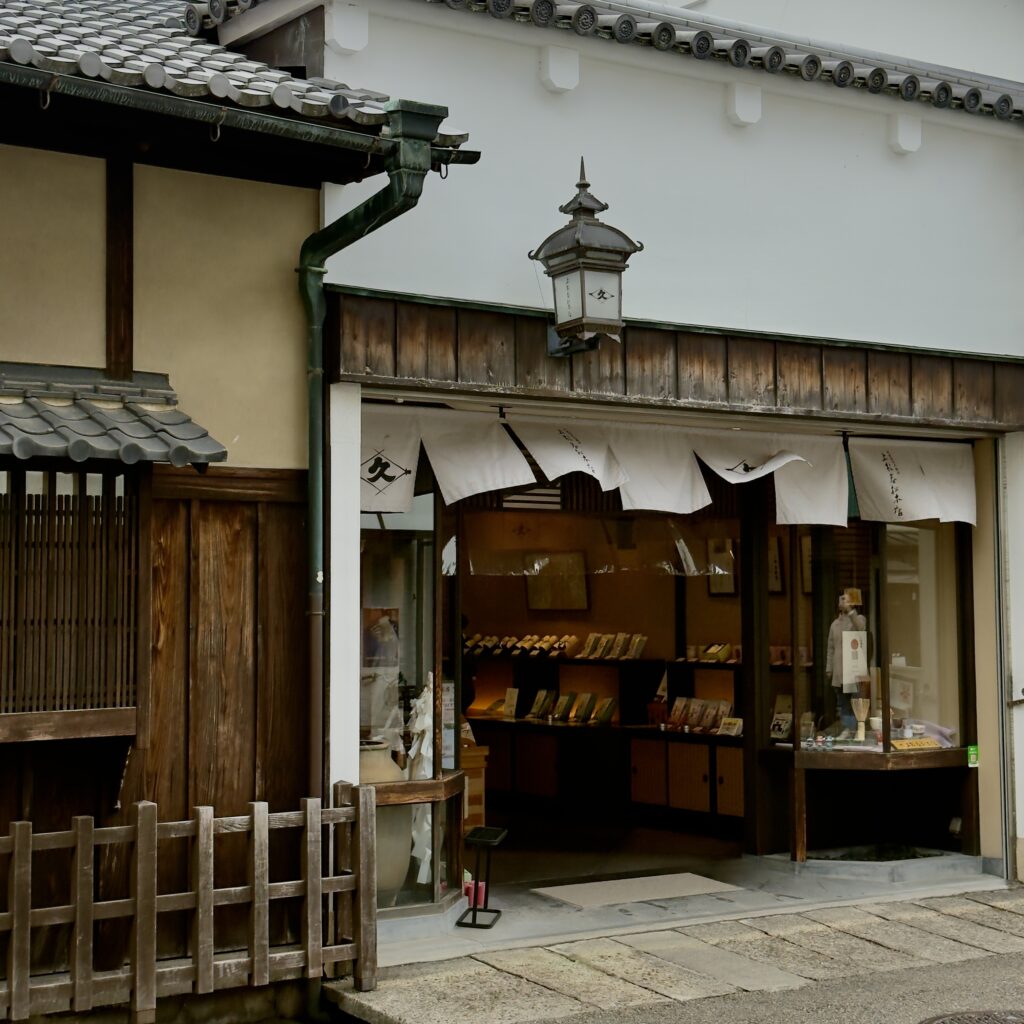
The Kanbayashi family has been producing tea in Uji since 1532 — appointed as the exclusive tea purveyors to the shogunate, their matcha once reached no one who wasn’t a samurai lord or a member of the imperial court. Now in its fifteenth generation, the family still does things the same way: stone-milled, sourced from Uji, finished with the kind of precision that only centuries of repetition produces. If you’re bringing ceremonial-grade matcha home, this is where you buy it.
Known For: Ceremonial-grade matcha; in-store tastings and retail
Pro Tip: An ideal first stop — top-grade matcha sells out, and you’ll want it secured before you do anything else.
Horii Shichimeien
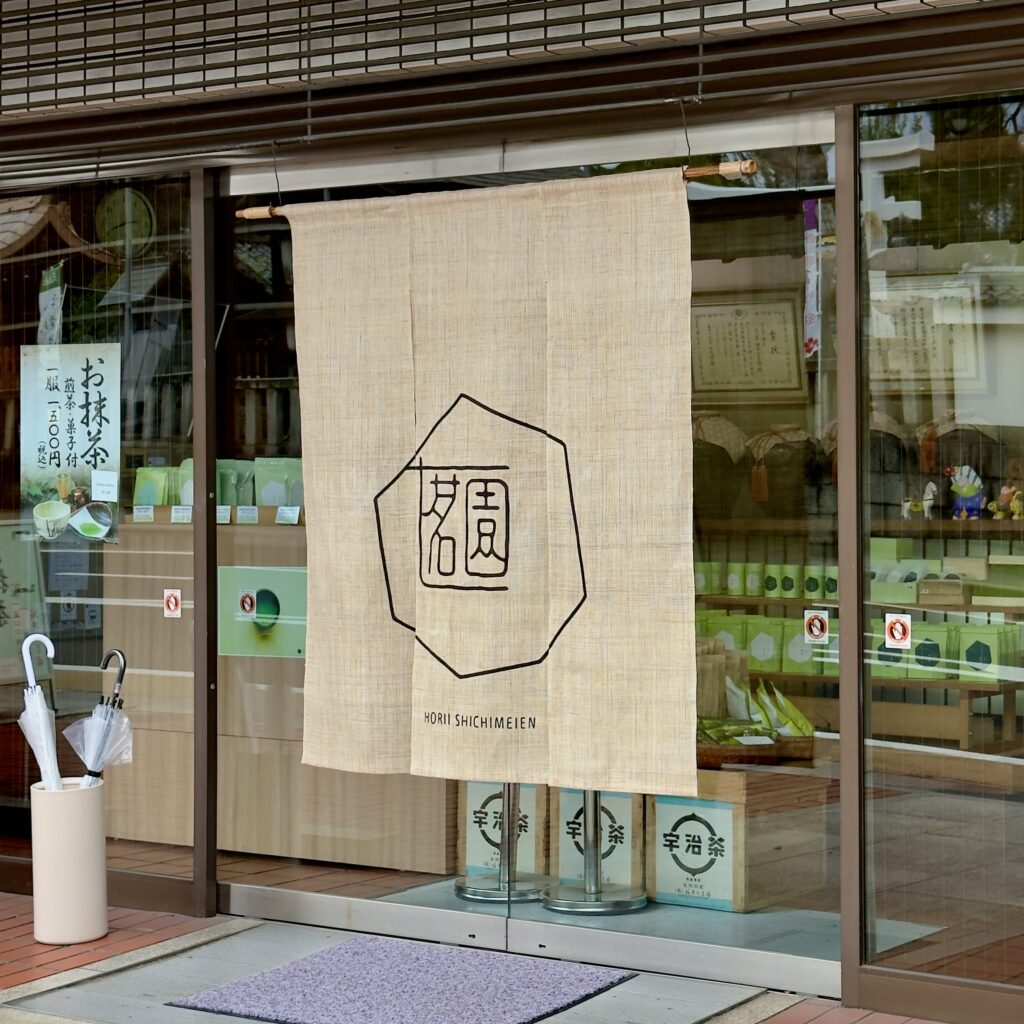
Founded in 1879, Horii Shichimeien holds a distinction that no other tea merchant in the world can claim: they are the sole custodians of the last surviving tea garden from the original Uji Shichimeien — the seven gardens designated by the Ashikaga shogunate in the Muromachi period as Japan’s finest. Urbanization swallowed the other six. While their matcha is exceptional, this is also where you come for gyokuro and sencha — their Okunoyama gyokuro, grown from hand-picked leaves off that historic garden and finished by a tea master, is one of the most remarkable cups you’ll have in Japan.
Known For: Matcha, gyokuro, and sencha spanning ceremonial to everyday grades; the Okunoyama gyokuro is the standout; tastings available on-site
Pro Tip: Ask about their single-cultivar selections — it’s the fastest way to understand what Uji terroir actually tastes like across different tea styles.
Asahiyaki Shop & Gallery
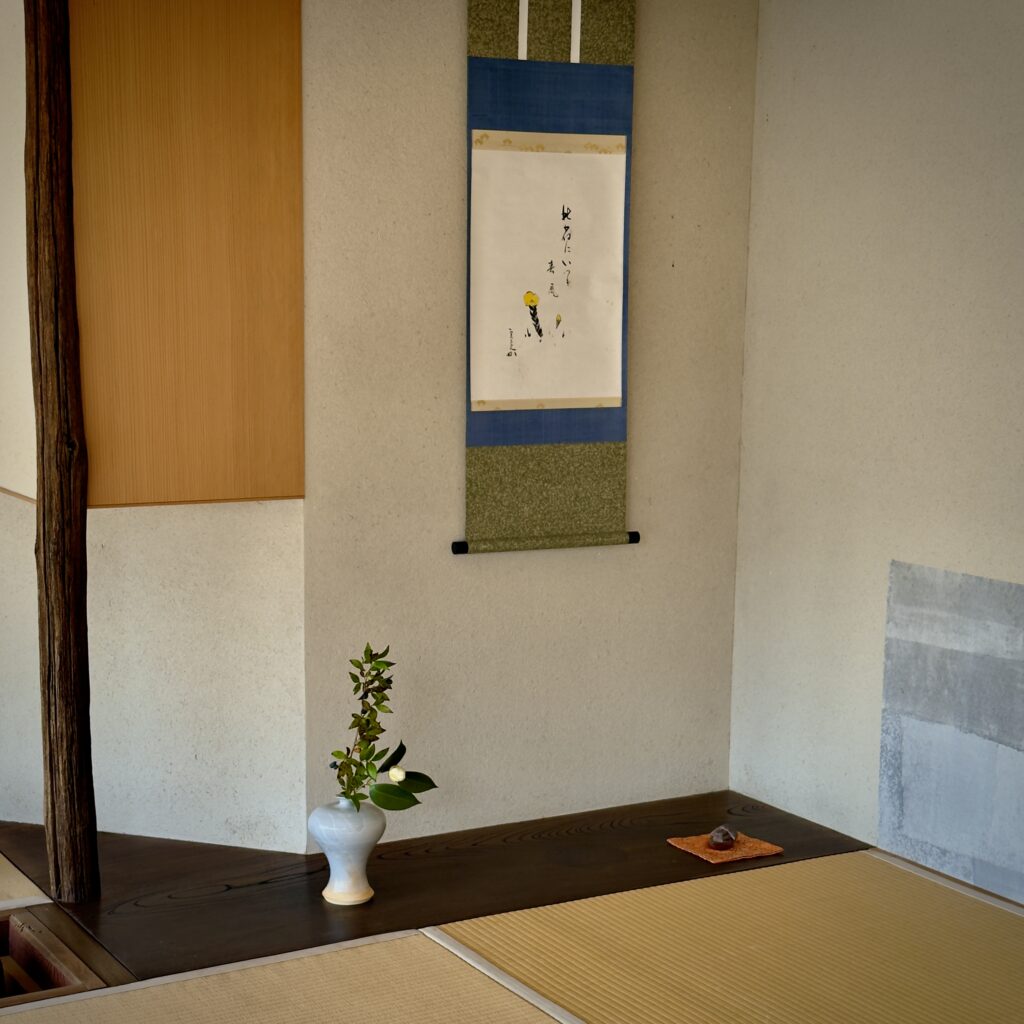
Sixteen generations of the Matsubayashi family have been firing clay pulled from the banks of the Uji River on this same plot of land since around 1600. The kiln’s name was bestowed by legendary tea master Kobori Enshu himself, and the aesthetic philosophy he instilled hasn’t left. The current work by head potter Hosai XVI sits alongside more accessible everyday pieces in the gallery — and both are worth your time.
Known For: Delicate Uji-style ceramics rooted in tea ceremony tradition; gallery showcases works by Hosai XVI alongside the broader Asahiyaki collection
Pro Tip: Pieces here make exceptional gifts and are far more accessible in price than anything comparable you’ll find in Kyoto proper.
Byodo-in Temple
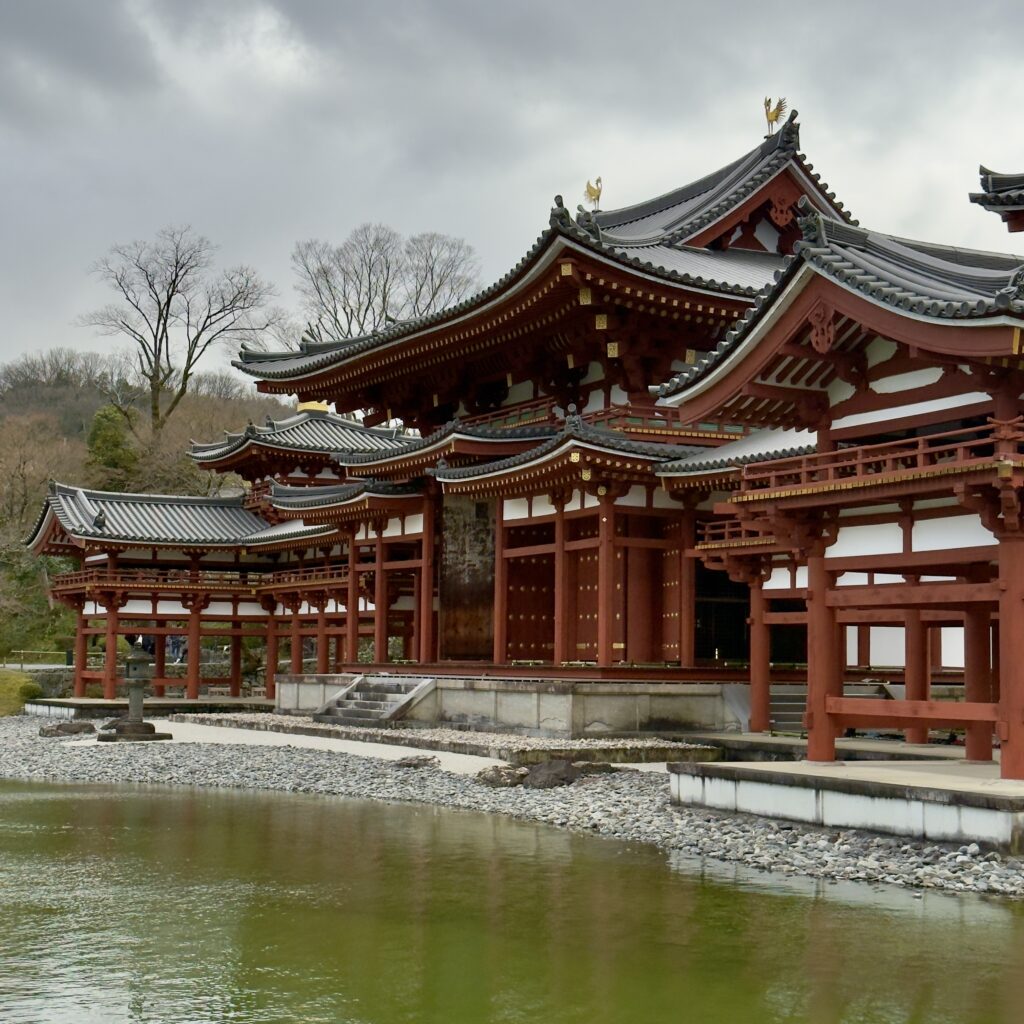
Built in 1053 and somehow still standing, Byodo-in is one of those places that earns every superlative thrown at it. The Phoenix Hall — depicted on the ¥10 coin and reflected in the pond in front of it — is one of those images that doesn’t lose anything in person. The Hoshokan Museum, mostly underground so as not to compete with the Hall itself, houses the original gilt phoenix statues from the rooftop and is worth every bit as much of your time.
Known For: The Phoenix Hall (Ho-o-do); serene pond garden; the Hoshokan Museum housing the original gilt Phoenix statues Open Daily
Pro Tip: Timed entry to the Phoenix Hall interior is limited and sells out fast — go straight to the gate when you arrive and reserve your slot before exploring anything else.
FAQ: Day Tripping to Uji from Kyoto
Take the JR Nara Line from Kyoto Station directly to Uji Station — 17 minutes. IC cards (Suica/ICOCA) work seamlessly. Trains run frequently throughout the day, so there’s no need to stress about timing your return. Fushimi Inari Shrine is on the same line just two stops from Kyoto Station — if you go early enough to beat the crowds, it makes for a natural and very satisfying first stop before continuing on to Uji.
Do I need a full day in Uji?
Uji is doable in a focused half-day (4–5 hours), but a full day lets you slow down, do a proper tasting at more than one tea merchant, and browse Asahiyaki without rushing.
When is the best time to visit Uji?
Weekday mornings. Byodo-in gets genuinely crowded by midday on weekends, and during peak seasons — cherry blossoms in late March and autumn foliage in mid-November — the wait for Phoenix Hall entry can be significant.
How much cash should I carry in Uji?
Some of the smaller tea merchants and market stalls are cash only. Having ¥10,000 on hand covers you comfortably for the day including entry fees, tastings, and a matcha purchase or two.
What should I buy in Uji?
Ceremonial-grade matcha from Kanbayashi or Horii is the obvious answer — both offer options across price points and the staff will help you choose. Asahiyaki ceramics are the other one; the prices are far more reasonable than you’d expect for the quality.
Ready to build your Kyoto itinerary around Uji and beyond? Reach out — I’ve traveled this region with serious intention and I’m happy to help you make the most of every meal, every cup, and every moment.